Define Clear Goals
What do you want to achieve with your renovation?

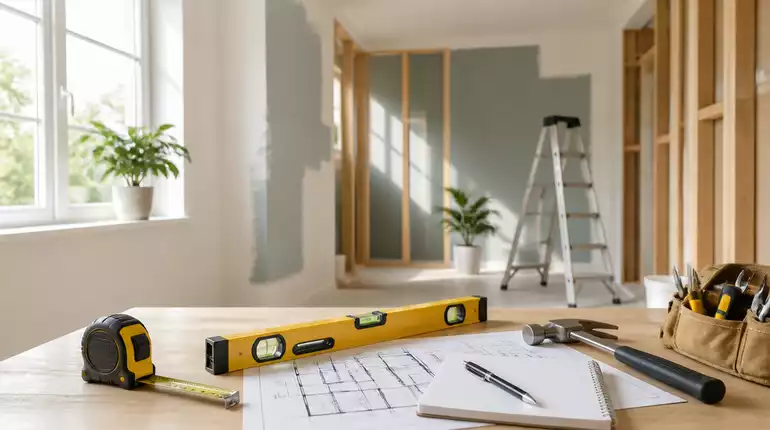
Have you ever wondered how a simple home renovation can contribute to a healthier planet? In today's world, the shift towards sustainability isn't just a trend; it's a necessity. A well-planned renovation can minimize waste and enhance your living space while being kind to the environment. Dive into these essential takeaways to kickstart your journey towards a zero-waste home renovation!
Follow these essential steps to ensure your renovation is efficient and eco-friendly. For more comprehensive tips on managing renovation waste, consider exploring effective strategies for minimizing waste in home renovations.
What do you want to achieve with your renovation?
Understand your starting point by assessing the condition of your home.
Salvage materials instead of tossing them out.
Establish categories for recyclables, reusables, and trash onsite.
Embarking on a home renovation can be both exciting and overwhelming! At QuickClearo, we understand the importance of planning effectively to manage waste and ensure that your project aligns with sustainability goals. In this section, we’ll explore how to set clear renovation objectives and assess your home’s condition, paving the way for a successful zero-waste renovation.
Before diving into your renovation project, it’s crucial to define clear objectives. Ask yourself what you want to achieve. Are you looking to improve energy efficiency, enhance aesthetic appeal, or increase property value? Make a list of your top priorities to guide your decisions throughout the renovation process.
Once you have established your goals, it’s time to conduct a comprehensive home assessment. This involves evaluating your current space to identify areas that need attention. Take notes on the condition of various rooms, inspect for any structural issues, and consider the potential for incorporating sustainable materials. For more insights on efficient waste removal, check out our guide on efficient waste removal in Sydney.
Setting specific goals can turn your renovation dreams into reality. Consider the following points when defining your objectives:
Documenting these objectives can keep you focused and motivated throughout the renovation journey. Remember, every small step towards sustainability counts!
When assessing your home, it’s essential to take a thorough approach. Here are some steps to guide your assessment:
By understanding the current condition of your home, you can make informed decisions that align with your goals and promote a zero-waste renovation.
A successful renovation requires a solid waste management plan. This plan ensures that you minimize waste and recycle as much as possible. Start by identifying the types of waste that might be generated during your renovation.
It’s also important to set landfill diversion goals and metrics. This means knowing how much waste you aim to divert from the landfill, which can be a great motivator. Tracking your waste will help measure the success of your sustainable efforts! To learn more about how to manage waste during your project, read our article on managing waste in home renovations.
Different types of waste will arise during your renovation. Familiarizing yourself with these streams can help you prepare:
Understanding these categories will enable you to implement effective sorting and recycling strategies on-site.
Setting specific goals can help measure the effectiveness of your waste management plan. Consider these tips:
By setting clear, achievable metrics, you’ll stay engaged with your project and maintain a strong commitment to sustainability.
Did you know? Engaging with local contractors who specialize in sustainable practices can streamline your renovation process. They can provide insights on eco-friendly materials, energy-efficient designs, and innovative waste reduction strategies that align with your zero-waste goals. This collaboration not only enhances your project's sustainability but can also save you time and money in the long run!
Renovating your home sustainably doesn’t have to be a daunting task! By focusing on effective planning, deconstruction, and responsible sourcing of materials, you can make your renovation project not only efficient but also eco-friendly. Let’s recap some of the essential steps that can guide you on this rewarding journey.
First, remember the importance of establishing clear objectives for your renovation. You should assess your home’s condition thoroughly to determine what needs to be done, laying a solid foundation for everything that follows. After that, consider deconstruction over demolition. Salvaging reusable materials can significantly reduce waste—think about how much you might save by reusing cabinets, fixtures, and other items!
Throughout your renovation process, keep these highlights in mind:
By addressing these key aspects, you can make informed decisions that lead to a successful and sustainable renovation. Planning is crucial! It's your roadmap to achieving a zero-waste outcome. Plus, don’t forget about the benefits of engaging with professionals who specialize in green building practices. They can provide insights that save time and resources while ensuring your renovation aligns with eco-friendly principles.
As you embark on your renovation journey, keep these takeaways in mind:
It’s easy to get carried away with grand ideas, but setting realistic goals ensures that your renovation stays manageable. Whether you’re updating a single room or a whole house, a clear vision will help keep you grounded and focused. Plus, it’s essential to remember that sustainable changes contribute to the long-term health of our planet!
Reducing waste isn’t just beneficial for the environment; it can also save you money in the long run. Fewer materials sent to landfills mean lower disposal costs, while using sustainable materials can lead to energy savings. At QuickClearo, we’re passionate about helping our clients make choices that benefit both their homes and the planet!
Are you ready to kick-start your sustainable renovation? There’s no better time to begin than now! By taking the plunge, you’ll not only create a beautiful space but also contribute positively to the environment. Let’s explore how you can get started!
Don’t hesitate to engage local resources and networks for materials. Many communities have groups focused on sustainable living where you can find valuable connections. You might even discover unique items that add character and charm to your project! For even more practical advice, consider reading our efficient home rubbish removal tips.
Here are some tips for tapping into local resources:
Before you embark on your renovation, consider this handy checklist:
Going through this checklist can help you feel organized and prepared! Remember, the more you plan, the smoother the entire renovation will go. A well-thought-out approach can lead to greater satisfaction in your project.
Lastly, don’t overlook the power of technology in your renovation! Incorporating smart home technology can greatly enhance energy efficiency and overall convenience. For example, smart thermostats can help manage energy use effectively, making your home more environmentally friendly.
Consider these smart upgrades:
Lastly, look into green certifications for your renovation. Certifications like LEED or Energy Star not only boost your home’s value but also signal your commitment to sustainability. As we strive for a greener future, every step counts!
Here is a quick recap of the important points discussed in the article: