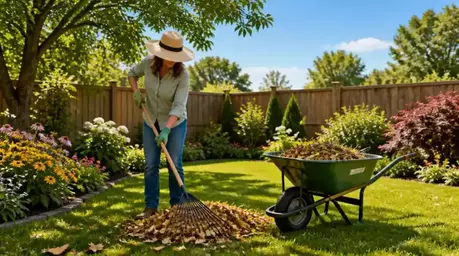
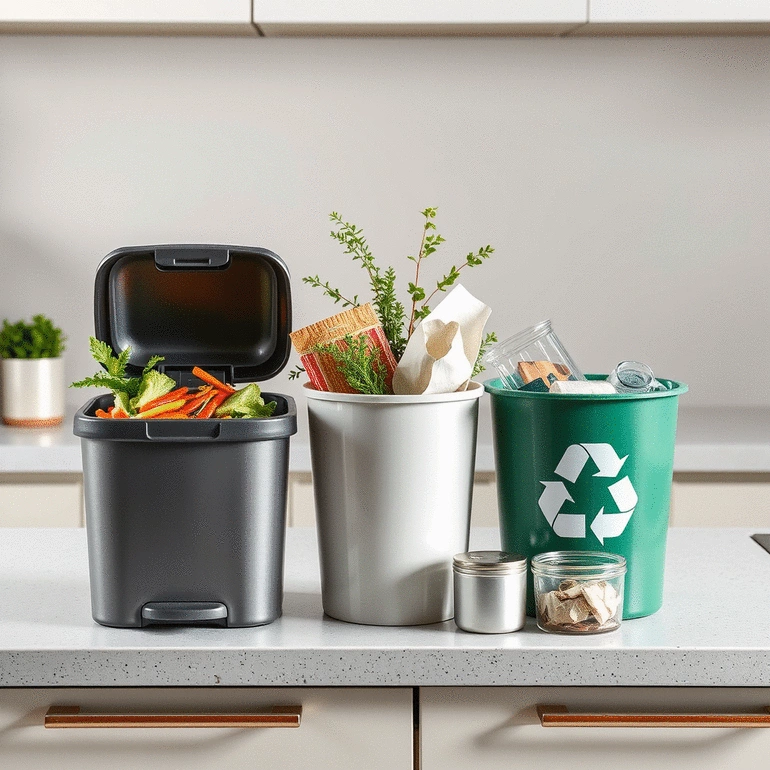
In the face of a growing waste crisis, understanding sustainable disposal methods is not just an option; it's a necessity. With each person generating about 4.4 pounds of waste daily, the time to act is now. By adopting eco-friendly practices, we can collectively contribute to a healthier planet, ensuring our future generations inherit a cleaner Earth.
Understanding the impact of sustainable practices can significantly enhance our efforts to reduce waste. Below are some key statistics and comparisons relevant to effective waste disposal methods. For more detailed strategies, consider exploring efficient home rubbish removal tips.
Each person produces approximately 4.4 pounds of waste every day!
Landfills contribute as one of the largest sources of methane emissions from human activities.
Composting can lead to savings on fertilizers and improved garden health.
These programs can help reduce overall waste costs by encouraging recycling and composting!
In a world filled with disposable products and fast-paced lifestyles, understanding sustainable disposal methods for household waste is more important than ever. As we strive for a greener future, adopting eco-friendly practices can significantly influence our environmental footprint. By focusing on sustainable methods, we can ensure that we’re managing our waste in ways that not only clear our spaces but also protect our beautiful planet.
Did you know that each person produces about 4.4 pounds of waste every day? That’s a staggering amount! With QuickClearo's commitment to sustainability, I believe we have a shared responsibility to tackle this issue. By understanding and implementing sustainable disposal methods, we can collectively contribute to a healthier environment.
Every time we dispose of waste improperly, we risk harming our environment. Sustainable disposal methods are essential because they help reduce landfill overflow, pollution, and greenhouse gas emissions. By making conscious choices, we can minimize our impact and create a cleaner, greener future for generations to come.
Here are some reasons why sustainable disposal matters:
Household waste is a significant contributor to climate change. When waste decomposes in landfills, it emits methane, a potent greenhouse gas that traps heat in the atmosphere. By understanding the impact of our waste, we can be more proactive in reducing it. To further support sustainable practices, consider selecting eco-friendly rubbish removal options.
It’s essential to consider the following factors about household waste and climate change:
At QuickClearo, we aim to provide solutions that help minimize these impacts. By choosing sustainable disposal methods, we’re not just cleaning out our homes; we’re actively fighting against climate change!
Now that we understand the importance of sustainable disposal, let’s dive into some practical approaches to manage our household waste effectively. There are many ways to embrace eco-friendly practices, and they can even be fun!
One of the best places to start is by embracing the Reduce, Reuse, Recycle philosophy. This simple mantra can guide us in making more informed decisions about how we handle waste. Here are some key actions we can take:
By taking these steps, each of us can contribute to a larger movement toward sustainability, echoing QuickClearo's mission to revolutionize waste management!
Did you know that implementing a simple waste tracking system can significantly enhance your sustainable practices? By keeping a journal of your waste generation, including what you recycle and compost, you can identify trends and areas for improvement. This awareness not only motivates you to reduce waste but also helps you set achievable goals for a greener household!
Understanding the financial aspect of sustainable waste disposal is crucial for households looking to make eco-friendly choices without breaking the bank. By evaluating the cost-effectiveness of various methods, we can see how investing in practices like composting and recycling can save money in the long run. Not only do these methods help the environment, but they can also lead to significant savings on waste disposal costs!
One of the most notable benefits of composting and recycling is their potential to reduce overall waste management expenses. When we divert waste from landfills, we not only lessen our environmental footprint but also decrease the costs associated with waste disposal. Many local governments offer incentives for composting or recycling, which means your green efforts could translate into lower bills!
When it comes to composting, the economic benefits can be quite impressive! By turning organic waste into nutrient-rich compost, not only are you reducing landfill waste, but you're also creating free fertilizer for your plants. This can save you money on buying fertilizers and improve your garden's health, which is a win-win situation!
Recycling offers similar benefits. Many communities have recycling programs that not only cut down waste but also generate revenue from recyclable materials. When you recycle, you’re playing a part in a larger economic cycle that supports local businesses and reduces the need for new raw materials.
Metrics can be a fantastic way to measure the return on investment (ROI) for your waste management choices. By tracking how much you spend on waste disposal versus how much you save through sustainable practices, you can see the direct impact of your efforts. Consider factors like reduced waste volume and savings on purchasing disposable items. Discover how to recycle your electronics the right way for additional benefits.
Moreover, keeping an eye on your household waste can bring about a sense of accomplishment. For instance, if you manage to reduce your trash output by 30% through composting and recycling, this is not just a positive environmental impact but also a financial one!
Pay-as-you-throw (PAYT) programs are becoming increasingly popular in many areas. These programs charge households based on the amount of waste they throw away. This system encourages people to reduce their waste production and promotes recycling and composting. While it might seem like an added cost, it can lead to significant savings if you adopt sustainable disposal practices!
Many families find that by reducing their waste through recycling and composting, they can lower their overall waste disposal costs. It's a straightforward approach: the less you throw away, the less you pay! This not only benefits your wallet but also promotes a healthier environment.
Many of us have questions about best practices for waste disposal, and it’s great to see so many people being proactive about learning! Here, I’ll cover some common queries that can help you make informed choices regarding your household waste management.
Understanding these questions can lead to more effective disposal methods, helping us all contribute to a cleaner planet. Here’s what I often get asked:
When it comes to waste disposal, adopting best practices can make a world of difference. Here’s a quick list to guide you:
By following these practices, you can make a significant impact on your waste footprint!
Technology plays a crucial role in enhancing our waste sorting capabilities. Smart bins can help identify which items are recyclable through sensors and mobile apps! This not only simplifies the process but also ensures that more materials find their way to the right recycling facilities.
Moreover, apps that provide local recycling guidelines can keep you informed about what can and cannot be recycled in your area. Embracing these tech solutions makes eco-friendly waste management more accessible and efficient.
The waste management hierarchy is a framework that prioritizes waste management strategies. It ranges from most favorable (prevention and reduction) to least favorable (disposal). Understanding this hierarchy helps us make informed decisions about our waste management processes.
By focusing on prevention and reduction first, we can minimize the amount of waste we produce, leading to a healthier planet and more sustainable practices! This is something QuickClearo strives to promote in our community.
Visual tools can be incredibly helpful for simplifying the complex world of waste management! Whether it's creating infographics or using checklists, these resources can enhance understanding and encourage sustainable practices in households.
Let’s explore some effective visual tools that can empower you and your family to take action:
Infographics are a fantastic way to convey information quickly and effectively. By visually illustrating the composting and recycling processes, you can make it easier for family members to understand what they can do to help. Plus, they can serve as a constant reminder of the importance of sustainable practices!
Checklists can serve as a handy tool for keeping track of your waste management efforts. Creating a simple checklist for daily or weekly waste disposal tasks can help ensure that everyone in your household is on the same page! Here are a few items to include:
Conducting a waste audit is an excellent way to understand your household waste footprint! By analyzing the types and amounts of waste you produce, you can identify areas for improvement. This insight can help you set goals for reducing waste and enhancing your sustainable practices.
Remember, every small change counts! Keeping an eye on your waste generation can lead to meaningful actions towards a cleaner environment.
Getting involved in your community is essential when it comes to promoting sustainable waste disposal practices. By working together, we can create a more significant impact and inspire others to join the movement! Here’s how you can get started:
Education is key! Sharing knowledge about proper waste disposal methods can motivate others to adopt eco-friendly practices. Consider hosting workshops or community events focused on waste management. The more people know, the more they can contribute!
Starting a local initiative can be a great way to engage your community. Whether it’s organizing a neighborhood clean-up or a recycling drive, these activities can bring people together and raise awareness about waste disposal. Remember, small initiatives can lead to big changes!
Educational programs in schools or local organizations can be a game-changer for waste segregation. Teaching kids about recycling and composting from a young age helps instill lifelong habits. QuickClearo is excited to support such initiatives, as we believe in the power of education to shape future generations! Learn more about efficient waste removal in Sydney and its impact.
Here are some frequently asked questions to help you better understand and implement sustainable waste disposal methods in your household.
As we wrap up our discussion on sustainable household waste management, it's important to remember that every effort counts! By embracing eco-friendly practices like composting, recycling, and proper waste segregation, we can all contribute to a cleaner environment.
Here are some actionable steps for you to consider:
Now is the time to take action! Let’s work together to implement sustainable practices in our daily lives and make a positive impact on our planet. For a deeper dive into decluttering, read about clutter-free workspace efficiency hacks.
Here is a quick recap of the important points discussed in the article: