
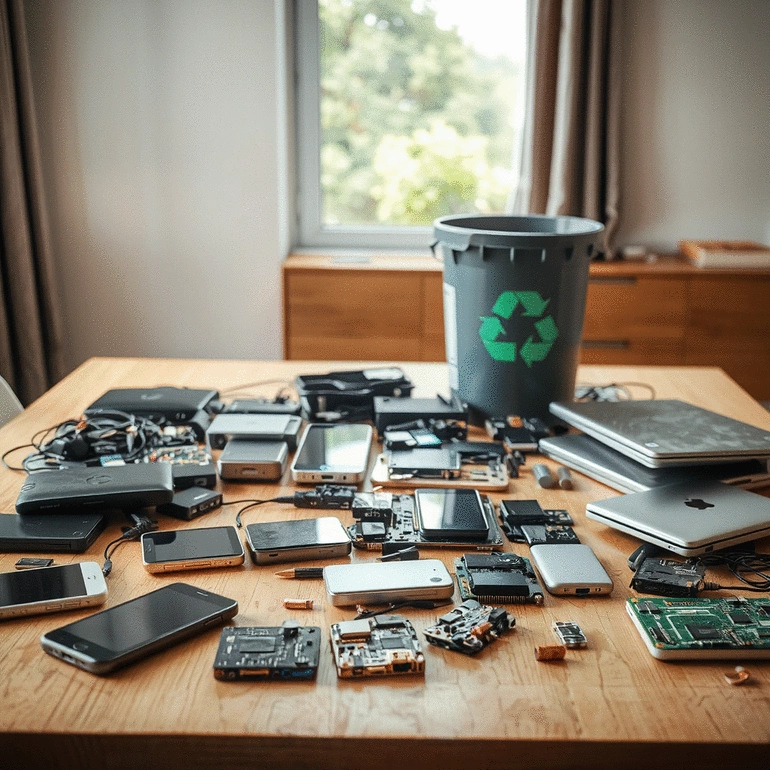
Did you know that approximately 50 million tons of electronic waste, or e-waste, are generated globally each year? This staggering figure underscores the urgent need for responsible electronics recycling. Understanding what happens to our old gadgets and their impact on the environment is not just eye-opening; it's essential for creating a sustainable future.
Understanding the environmental impact of e-waste generation and the benefits of responsible recycling can help us take meaningful actions. For more tips on managing waste efficiently, check out our guide on efficient home rubbish removal tips.
Around 50 million tons of e-waste is produced globally each year.
This number is expected to increase, indicating the growing challenges of e-waste management.
Have you ever thought about what happens to your old electronics? With technology constantly evolving, our gadgets become outdated faster than we can keep up! This leads to a growing problem called electronic waste, or *e-waste*. It's crucial to understand its impact on our environment and why responsible recycling is not just a nice-to-have but a need-to-have.
E-waste refers to any discarded electronic device. This includes everything from old smartphones and computers to broken televisions and gaming consoles. The challenge is that many of these items contain hazardous materials like lead, mercury, and cadmium, which can be harmful if not disposed of properly. That's where responsible recycling comes into play!
By recycling e-waste, we can recover valuable materials like gold, silver, and copper. Not only does this help in conserving resources, but it also reduces the need for new materials, which can be environmentally taxing to extract. Let’s not forget that every little bit counts when it comes to protecting our planet!
The amount of e-waste generated is staggering! According to recent studies, we produce around 50 million tons of e-waste globally each year, and that number is only expected to grow. As a waste management expert, I can tell you that the challenges of managing this waste are significant.
By tackling e-waste responsibly, we can help mitigate these challenges. By choosing services like QuickClearo, you’re taking an active step toward a cleaner, greener future! For more insights into proper e-waste disposal, read our article on how to recycle your electronics the right way.
When we recycle electronics, we’re not just clearing out our closets. We’re also making a positive impact on the environment. Responsible e-waste recycling helps reduce pollution and conserves natural resources, leading to a healthier planet.
Some key environmental benefits include:
By supporting responsible recycling, we can help ensure a brighter future for generations to come!
Did you know that recycling electronics can be economically beneficial too? By diverting waste from landfills, we save costs associated with waste management. Additionally, recycling can create jobs in the e-waste recycling industry, promoting economic growth.
Some economic advantages include:
When you choose to recycle your electronics, you're not just helping the planet, you're also contributing to your local economy! For comprehensive waste management solutions that benefit both the environment and local economies, consider efficient waste removal in Sydney.
Effective e-waste management is essential for reducing landfill waste. By recycling electronic devices, we keep them out of landfills where they can leach harmful chemicals into the ground.
Key roles in landfill diversion include:
At QuickClearo, we emphasize the importance of these roles in our operations. We are committed to making e-waste recycling as simple and effective as possible!
Lastly, consumer awareness plays a vital role in responsible e-waste recycling. The more we know about the impact of our choices, the better decisions we can make. By spreading awareness about the importance of sustainable practices, we can encourage others to recycle responsibly.
Here are some actions you can take to boost awareness:
Together, we can create a culture of sustainability! Let’s make a commitment to responsible electronics recycling and inspire others to do the same.
Did you know that properly recycling just one million laptops can save the energy equivalent to the annual electricity use of more than 3,500 households? By recycling your old electronics, you're not only preventing harmful waste but also conserving energy and resources. Make a commitment today to recycle responsibly!
As we wrap up our conversation on responsible electronics recycling, it's important to highlight some best practices that everyone can adopt. Following these guidelines not only helps you dispose of your e-waste properly but also contributes to a healthier planet. Remember, every little effort you make counts in the grand scheme of environmental sustainability!
One of the key steps in responsible recycling is to ensure that you're aware of local regulations regarding e-waste disposal. Many communities have specific guidelines to follow. By knowing and adhering to these regulations, you can make a significant impact on your local environment and help reduce the amount of harmful e-waste that ends up in landfills.
To effectively recycle your electronics, you should focus on the following best practices:
By following these steps, you not only help the environment but also promote a culture of sustainability in your community. As I often say at QuickClearo, it’s about making conscious choices that lead to a cleaner, greener future!
Following guidelines for e-waste disposal is crucial for minimizing the environmental impacts associated with improper handling of electronics. These guidelines often change to keep pace with technological advancements and environmental concerns. By staying informed, you can ensure that your actions directly contribute to reducing pollution and conserving resources.
At QuickClearo, we encourage everyone to stay updated on local regulations and best practices. Doing so empowers individuals and businesses to take ownership of their waste management responsibilities. Remember, each action you take—no matter how small—can create a ripple effect that leads to significant environmental change! To learn more about making environmentally sound choices, check out our article on selecting eco-friendly rubbish removal.
Now that you understand the importance of responsible recycling, it's time to take action! Join me in encouraging your community to participate in local e-waste recycling programs. Together, we can spread awareness and motivate others to make a difference. Don’t underestimate the power of collective action!
As a waste management expert, I’ve seen firsthand how community involvement can lead to substantial change. Let's work together to make responsible electronics recycling a community norm! At QuickClearo, we’re here to help you every step of the way, ensuring that your rubbish removal experience is as seamless and eco-friendly as possible. If you need quick solutions, explore the benefits of same-day rubbish removal.
Here’s a quick recap of the important points discussed in the article on responsible electronics recycling: