
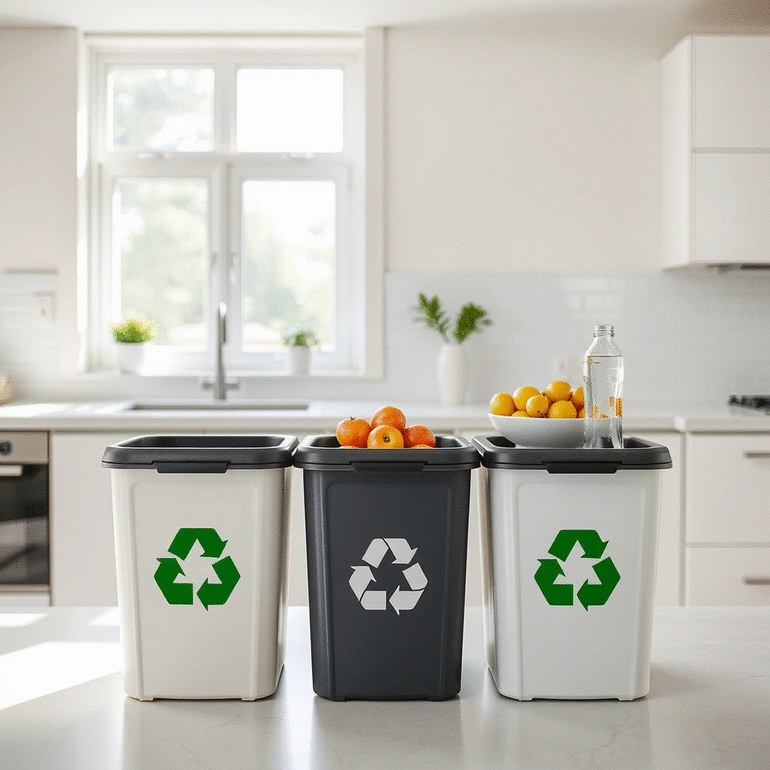
Did you know that households can significantly reduce their waste by adopting effective recycling systems? The impact of each small effort adds up to substantial environmental benefits while also saving money. Let’s delve into the essential lessons you can learn from creating a home recycling system.
Measuring the effectiveness of your home recycling system can highlight the positive changes in waste reduction and environmental benefits. This can be a great way to understand how your efforts contribute to efficient waste removal in Sydney and beyond.
Tracking waste reduction over time can show significant improvements:
Implementing a recycling system can provide financial benefits:
Recycling contributes to a healthier planet:
Awareness can improve recycling practices:
Have you ever thought about how much waste your household produces? It can be surprising! Creating an efficient home recycling system isn’t just good for the planet; it also carries a bunch of benefits for you and your family. Let's explore why recycling is essential and how it can be a game-changer in our daily lives.
One of the first things that come to mind when discussing recycling is its positive environmental impact. By recycling, we significantly reduce the amount of waste that ends up in landfills. This means fewer natural resources are consumed, and we contribute to a healthier planet. Isn’t it rewarding to know that your efforts can help promote sustainability?
When we recycle, we help keep our environment clean and safe. Less waste in landfills leads to lower greenhouse gas emissions, which contributes to fighting climate change. Plus, recycling helps to conserve valuable resources like trees, water, and minerals. Every little bit counts, and your home recycling system can make a big difference!
Did you know that recycling can also help you save money? By reducing the amount of waste you throw away, you may be able to lower your waste disposal fees over time. This means more money in your pocket for things that really matter!
Even with the best intentions, many households face challenges when it comes to recycling. One big hurdle is the misinformation surrounding what can and cannot be recycled. Common misconceptions can lead to frustration and confusion, which is why it's important to stay informed. For more tips on managing household waste efficiently, consider these efficient home rubbish removal tips.
Many people think that all plastic can be recycled, but that's not the case! Here are some common myths we often hear:
Understanding your local recycling guidelines is crucial for effective recycling. Each community has different rules about what can be recycled. Check out your local waste management website for details. Knowing these guidelines will help you avoid contamination and ensure that your efforts contribute positively to the environment!
Sometimes, municipal recycling programs can be complicated. Issues like limited pickup services, and unclear sorting guidelines can lead to confusion. By staying informed and proactive, we can work together to improve recycling efforts in our communities. QuickClearo is committed to helping you find the best practices for waste management, ensuring you have access to the right information! For more insights into eco-friendly practices, delve into eco-friendly waste disposal tips.
Here's a brief recap of the key points discussed so far:
As you dive into your home recycling journey, it's essential to assess how well your efforts are making a difference! Measuring the impact of your recycling system helps you understand what works and what might need a little tweaking. This not only keeps you motivated but also reinforces the importance of recycling, especially when it comes to making positive environmental changes.
To get started, consider tracking waste reduction metrics over time. This involves taking note of the amount of waste you generate before and after implementing your recycling system. By doing this, you can see the benefits of your efforts and share your successes with others, which is a great way to inspire friends and family!
Setting up a simple waste audit at home is easier than you might think! With just a little planning, you can begin to see the changes happening right before your eyes. Here's how you can get started:
This simple method can provide you with valuable data about how much you're recycling and how much waste is still going to the landfill. You might be surprised by the results!
Another useful tool in your recycling assessment is an ROI calculator. This helps you determine the effectiveness of your recycling system by evaluating the economic benefits alongside environmental impacts. By calculating how much money you save on waste disposal fees and the value of the recyclables you're diverting from landfills, you can get a clearer picture of your recycling success.
Just like the seasons change, so can your recycling strategies! Adapting your system based on seasonal household changes ensures you stay on top of your recycling game. For instance, during the holidays or special occasions, you may find yourself generating more waste. Here are a few tips to help you adjust:
Additionally, implementing advanced composting setups for organic waste can be a game-changer! By composting food scraps and yard waste, you're not only reducing trash but also creating nutrient-rich soil for your garden. This aligns perfectly with our mission at QuickClearo, where we strive to promote eco-friendly practices while simplifying waste management for our community. For inspiration on sustainable disposal, explore selecting eco-friendly rubbish removal options.
Have you ever thought about upcycling? It’s a fantastic way to get creative while reducing waste! Upcycling involves taking items that would typically be thrown away and turning them into something new and useful. Here are a few ideas to spark your imagination:
By engaging in these projects, not only do you minimize waste, but you also get to enjoy some fun crafting time with your family. This brings a sense of accomplishment and reinforces the habits you’re building in your home recycling system. Don't forget that even electronics can be recycled responsibly; learn how to recycle your electronics the right way.
Here is a quick recap of the important points discussed in the article: