Weight of Recycled Materials
Measure how much material is being recycled each month to assess progress.

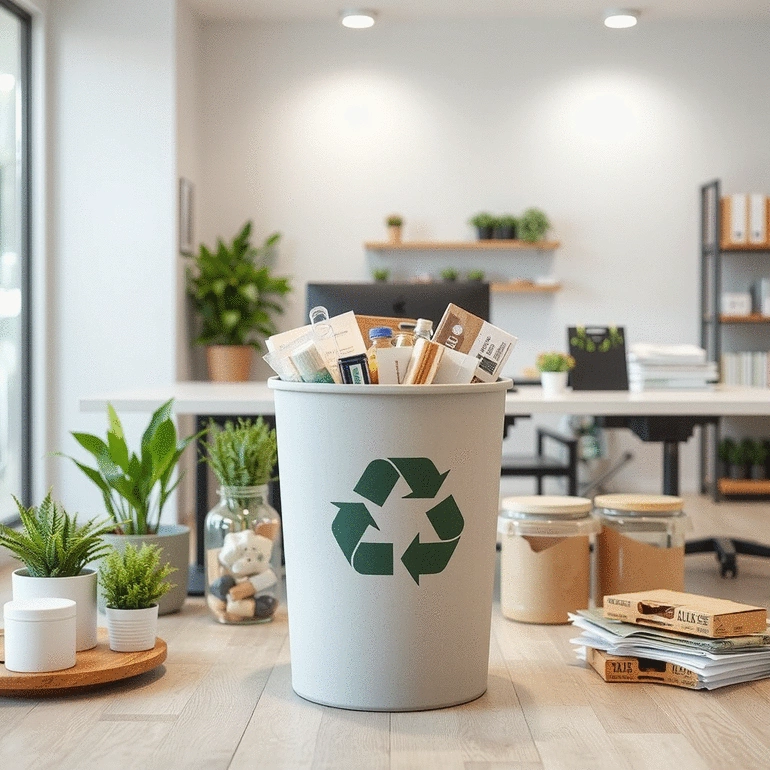
What if your small business could not only thrive but also make a significant positive impact on the environment? Embracing recycling practices is not just a good deed; it’s a strategic move that can enhance your brand, save costs, and contribute to a sustainable future.
Tracking the success of recycling initiatives is essential for small businesses. Below are important metrics to measure the effectiveness of your recycling programs:
Measure how much material is being recycled each month to assess progress.
Calculate the percentage of waste diverted from landfills to recycling programs.
Track reductions in waste disposal costs due to recycling initiatives to measure financial impact.
Monitor the engagement levels of employees in recycling efforts to foster a culture of sustainability.
When we talk about the future of business, one thing stands out: the importance of recycling. In today’s fast-paced environment, small businesses must adapt to not only thrive but also contribute positively to the planet. By embracing effective recycling practices, we can make a real difference in our communities and the environment. Let’s explore the key reasons why recycling matters and how it can be a game-changer for small businesses.
First and foremost, recycling helps reduce waste, which is becoming a growing environmental concern. Did you know that millions of tons of waste end up in landfills each year? This not only affects our planet but also the reputation of businesses. Customers today are more conscious of their choices and often prefer to support brands that prioritize sustainability! You can learn more about eco-friendly waste solutions for businesses.
Moreover, recycling supports the circular economy, where materials are reused and repurposed. This means that fewer new resources are needed, which can lead to less energy consumption and reduced greenhouse gas emissions. By implementing a recycling program, your business can play a crucial role in this sustainable cycle.
Let’s face it, running a small business can be expensive! That’s why finding ways to cut costs is essential. Recycling not only helps the planet but can also save your business money in the long run. For example, by recycling materials like paper and cardboard, you can reduce disposal fees and conserve resources. For more tips on managing business waste efficiently, consider our guide on efficient waste removal in Sydney.
Additionally, many local governments offer incentives for businesses that participate in recycling programs. This could mean lower waste management costs or even potential tax benefits. Just imagine—by switching to recycling, your business could enjoy financial perks while doing the right thing for our planet!
As a small business owner, you have a unique opportunity to shape your company's values and impact. This is where corporate social responsibility (CSR) comes into play! By incorporating recycling into your business model, you not only contribute to sustainability but also show your commitment to being a responsible member of the community.
Engaging in recycling initiatives can enhance your company’s image and attract customers who are passionate about environmental issues. At QuickClearo, we understand the significance of promoting eco-friendly practices. We aim to inspire other businesses to follow suit and make sustainability a part of their core values!
In conclusion, recycling in small businesses is more than just a trend; it’s a vital step toward a sustainable future. By understanding its importance, businesses can gain a competitive edge while contributing positively to the environment and society. So, let’s take action and embrace recycling—it’s a win-win for everyone!
Here's a brief recap of the key points discussed so far:
When it comes to recycling, measuring success is crucial for small businesses. It helps us understand what’s working and where improvements are needed. Establishing clear metrics can make a big difference in how effectively we implement our recycling programs. From tracking the volume of materials recycled to assessing the financial impact, these metrics provide valuable insights!
Here are some important metrics we can use to track recycling impact:
By keeping an eye on these metrics, we gain a clearer picture of our recycling success and areas that may need more attention. It's a fantastic way to motivate the team, showing them how their efforts contribute to a greener future!
Recycling isn’t just good for the planet; it can also lead to significant savings for your business! Understanding the return on investment (ROI) from recycling initiatives can encourage more businesses to adopt sustainable practices. Often, the initial costs of implementing a recycling program can be offset by long-term savings.
Here are some ways recycling can lead to savings:
These savings can be reinvested into your business, creating a cycle of sustainability and profitability. Plus, it shows customers you care about the environment, enhancing your brand image!
Sustainability reports are a powerful tool for businesses like QuickClearo to showcase the impact of recycling initiatives. These reports not only highlight the achievements but also demonstrate a commitment to eco-friendly practices. By sharing our successes, we can engage customers, attract potential partners, and foster a sense of community around sustainability.
When creating a sustainability report, consider including the following:
These reports not only celebrate our achievements but also hold us accountable for future progress. We can make a positive difference in our community by openly sharing our journey!
Forming strong partnerships with local recyclers can significantly enhance our recycling efforts. Community recyclers often have valuable resources and expertise that can help streamline our processes. Collaborating with them not only strengthens our recycling initiatives but also fosters a sense of community responsibility.
Here are some tips for building effective relationships with community recyclers:
By investing in these relationships, we can create a more robust recycling network that benefits everyone involved!
As recycling regulations evolve, it’s vital for businesses to stay compliant. Understanding these regulations not only helps avoid penalties but also positions QuickClearo as a responsible leader in the industry. Keeping up with changes can seem daunting, but it’s an essential part of our commitment to sustainability. You can find more information on selecting eco-friendly rubbish removal services to ensure compliance.
To ensure compliance, consider the following steps:
By being proactive, we can avoid costly mistakes and demonstrate our dedication to responsible waste management!
Local recycling centers are a treasure trove of support for businesses looking to enhance their recycling efforts. Connecting with these centers can provide us with the resources and guidance needed to improve our recycling practices. They often have programs, consultations, and materials that can make a big difference!
Here’s how to connect with local recycling centers:
These connections can lead to a wealth of knowledge and resources, helping us achieve our recycling goals more effectively. Together, we can work towards a cleaner, greener future!
Having the right resources at your fingertips makes establishing a successful recycling program much easier. QuickClearo is here to make your journey toward sustainability smoother by providing useful tools and references. Let's explore some downloadable templates and guides that can be incredibly beneficial!
Here’s a quick reference list of valuable resources:
Utilizing these resources can save time and ensure our recycling programs are effective and efficient. Let’s work smart, not hard!
Templates for waste audits are an easy way to get started on your recycling journey. These templates help you identify what materials you throw away and what can be recycled. By tracking this information, you can make informed decisions about improvements!
Here are some templates you can download:
These templates will guide you in implementing changes that can lead to increased recycling and reduced waste!
Infographics are a fantastic way to visualize the steps needed to establish a successful recycling program. They break down complex information into bite-sized pieces that are easy to understand. QuickClearo offers a user-friendly infographic that outlines essential steps for setting up your recycling program efficiently!
This infographic includes:
Utilizing this visual aid can make the process more accessible and less intimidating for everyone involved!
Achieving green certifications can enhance your brand’s reputation and show commitment to sustainability. These certifications provide credibility and assurance to customers that your business is making a genuine effort to be eco-friendly. They can also open up new markets and opportunities!
Some important green certifications to consider include:
Investing time into achieving these certifications can pay off in many ways, from attracting environmentally-conscious customers to standing out in the marketplace!
Ready to take action on your recycling initiatives? Implementing these strategies doesn’t have to be overwhelming. With a well-structured approach, you can jumpstart your efforts and see results quickly! QuickClearo is here to guide you through this exciting journey toward sustainability!
Here’s a quick-start checklist to help you begin:
With this checklist, you can create a strong foundation for your recycling program! Let’s work together to make sustainable practices a core part of our business operations!
Now is the time to commit to sustainable practices! By prioritizing recycling, we can make a real difference for our planet and our community. QuickClearo is dedicated to helping businesses like yours embark on this journey. Let’s take that first step together!
Are you ready to commit? Here’s how you can get started:
Let’s champion sustainability and pave the way for future generations. Together, we can create a cleaner, greener world!
Zero-waste initiatives are the future of sustainability in business. They aim to eliminate waste entirely, repurposing materials and reducing consumption. At QuickClearo, we believe this is an achievable goal that can transform our operations! For more insights into reducing waste, explore our tips on efficient home rubbish removal.
Here are some strategies for exploring zero-waste initiatives:
By working towards zero waste, we can lead the charge in sustainable practices and inspire others to do the same. It’s time to think big and act boldly!
Here are some common questions about implementing recycling practices in small businesses:
Here is a quick recap of the important points discussed in the article: