
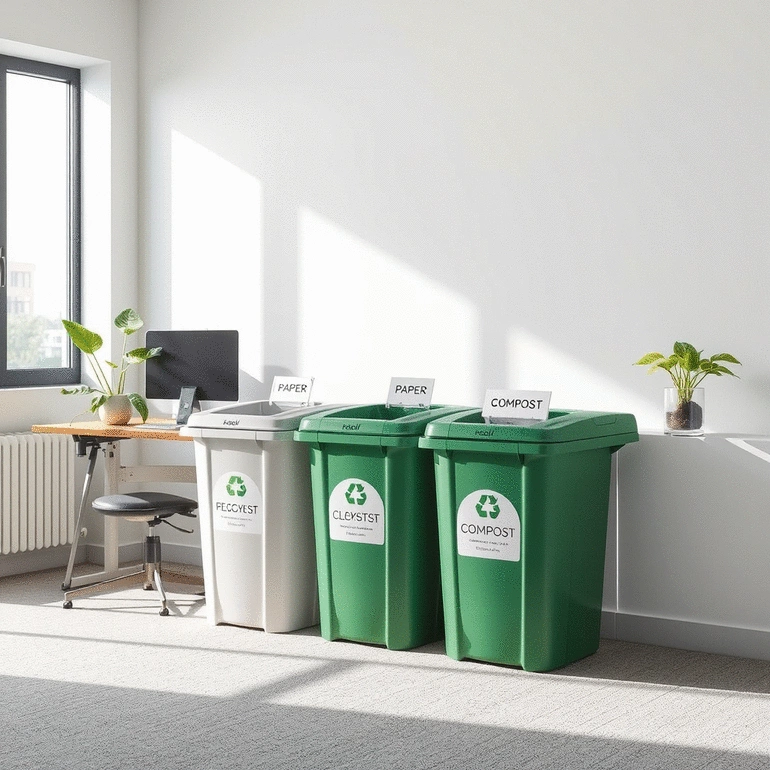
As small businesses navigate the complexities of waste management, they often find themselves at a crossroads between operational efficiency and environmental responsibility. What if the key to improving your bottom line lies in adopting sustainable disposal practices? Every decision you make today can help shape a greener future.
Understanding the environmental impact of waste and the benefits of sustainable practices can help small businesses make informed decisions. For more insights on efficient waste removal, consider reading about efficient waste removal in Sydney.
Composting can often be a more cost-effective and eco-friendly option compared to landfills.
As a small business owner, you might sometimes feel overwhelmed by the amount of waste your operations generate. Understanding sustainable disposal options is crucial not only for the environment but also for your business's reputation. Rapidly changing consumer expectations mean that businesses are now more than ever held accountable for their waste management practices. By prioritizing eco-friendly waste management, your business can make a significant positive impact on our planet!
Waste management is an integral part of running a responsible business. The environmental impact of waste generated by small businesses can be substantial. When companies fail to adopt sustainable practices, they contribute to pollution, resource depletion, and climate change. Therefore, it’s essential to recognize that every small change in your waste management can lead to significant benefits for both your business and the environment.
Small businesses often overlook their contributions to waste generation. Here are some key points to consider:
By understanding the environmental impact, you can take meaningful steps toward reducing your waste footprint and creating a cleaner community. You can also explore the environmental impact of landfills explained to learn more.
Adopting sustainable waste management practices comes with a range of benefits. Not only does it help the environment, but it can also enhance your business’s image and bottom line:
At QuickClearo, we believe that every small business should aspire to be part of the solution. Not only will you contribute positively to the environment, but you’ll also strengthen your brand in the eyes of customers and employees alike!
To implement sustainable waste disposal practices effectively, it’s essential to understand some key concepts. Let’s explore them further!
The circular economy is a model that promotes the reuse, recycling, and repurposing of materials. Instead of following a traditional linear economy where products are made, used, and discarded, a circular economy focuses on keeping resources in use for as long as possible. By adopting this model, your business can reduce waste and save on costs. It’s a win-win situation!
Corporate social responsibility (CSR) plays a significant role in today’s business landscape. By integrating CSR into your waste management strategy, you can:
Embracing CSR isn’t just good for the planet; it’s also good for business. QuickClearo encourages small businesses to think beyond profit and consider their impact on the world around them!
Here's a brief recap of the key points discussed so far:
Understanding waste management regulations is crucial for small businesses. These rules ensure that waste is handled responsibly and sustainably while protecting the environment. At QuickClearo, we recognize the importance of staying compliant to not only avoid penalties but also to contribute positively to our communities.
Compliance can vary widely depending on your industry and location. Familiarizing yourself with the specific regulations governing waste disposal is essential. It’s a good idea to create a checklist of local regulations that apply to your business, guiding you in the right direction as you implement waste management practices.
Every region has its own set of waste management guidelines. These regulations can include various aspects such as how to segregate waste, what materials can be recycled, and how hazardous waste should be treated. By knowing these rules, you can make informed decisions that keep your business running smoothly.
In addition to local regulations, keep an eye on any environmental laws that may impact your waste management strategies. This proactive approach can save your business from legal trouble and foster a good relationship with your community.
Different industries have unique waste management needs. For example, restaurants must follow specific food waste disposal guidelines, while manufacturers might be required to manage hazardous materials. Understanding the specifics can help you tailor your waste strategies effectively, ensuring you are compliant while promoting sustainability.
Here are some common industry compliance points:
Staying updated on waste management regulations doesn’t have to be daunting. There are many resources available to help you navigate these waters. Government websites, industry associations, and local environmental agencies often provide the latest information and guidance.
Consider signing up for newsletters from these organizations. They can offer you timely updates on changes to regulations that could affect your business. Also, networking with other businesses in your area can be a great way to share insights and best practices.
Environmental regulations are increasingly shaping how businesses approach waste management. These rules can dictate everything from emissions standards to waste reduction targets. By understanding these environmental regulations, you can ensure that your business not only complies but also stands out as a leader in sustainable practices. For more information on safely disposing of certain materials, check out our guide on how to dispose of hazardous materials safely.
Key points to consider include:
One of the best ways to engage with sustainable practices is through real insights gathered from the field. Businesses often face challenges when choosing between different waste management solutions, particularly in terms of costs and environmental impact. By analyzing these aspects, we can make informed choices that benefit both our bottom line and the planet.
Let’s dive deeper into some insights that can drive the conversation around sustainable waste disposal.
When discussing waste solutions, it’s vital to consider the cost implications. Composting can often be a more cost-effective and eco-friendly option compared to landfills. By analyzing the ROI of various waste solutions, businesses can discover effective strategies that save money while promoting sustainability.
Through thoughtful evaluation, businesses can make decisions that align with both their financial goals and environmental responsibilities.
Evaluating the return on investment of various waste disposal methods is crucial. From composting to recycling, understanding which methods yield higher returns can streamline your waste management processes. It’s not just about compliance; it’s about making impactful choices for your business and the environment.
Learning from others can be incredibly valuable. Case studies showcase how small businesses have successfully implemented sustainable practices. These examples serve as inspiration and provide practical insights that can be adapted to fit your unique operations.
Here’s what to look for in successful case studies:
Technology plays a crucial role in modern waste management. From apps that track waste outputs to innovative solutions that enhance recycling processes, integrating technology can significantly improve efficiency and sustainability.
At QuickClearo, we believe in leveraging technology to streamline our rubbish removal services. It’s exciting to see how tech advancements can help us operate more sustainably!
Waste-tracking apps offer real-time insights into your disposal processes. By monitoring waste generation and disposal, businesses can identify areas for improvement. This data-driven approach allows for smarter decisions regarding waste management.
Innovative solutions are popping up in the waste management sector, making it easier for small businesses to adopt sustainable practices. From smart bins to automated recycling systems, these technologies can greatly enhance your waste disposal strategy.
Investing in waste management software can streamline operations and ensure compliance. These tools often include features for scheduling, tracking, and reporting on waste disposal, making it easier for small businesses to manage their waste effectively.
Achieving zero-waste certification is a commendable goal for any small business. It not only showcases your commitment to sustainability but also enhances your brand reputation. By taking steps towards this certification, you can inspire others in your community to adopt similar practices.
Here’s how you can embark on this journey:
The path to zero-waste certification involves several key steps. By systematically addressing your waste management practices, you can work towards this admirable goal. It’s not just about cutting waste; it’s about rethinking your entire approach to materials and disposal.
Obtaining zero-waste certification comes with numerous benefits. Not only does it demonstrate your commitment to sustainability, but it can also lead to cost savings and improved customer loyalty. Customers increasingly value eco-friendly practices, and certification can set your business apart.
There are many resources available to help you navigate the certification process. Local environmental organizations often provide guidance, and online resources can help you find information tailored to your industry.
The zero-waste concept is about rethinking how we create and manage waste. It emphasizes reducing waste at the source, promoting reuse, and recycling as much as possible. Understanding this concept is the first step toward implementing effective waste management strategies in your business.
Now that we've explored various aspects of sustainable waste management, it’s time for you to take action! At QuickClearo, we're passionate about helping small businesses like yours embrace sustainable disposal options. Together, we can create a positive impact on our communities and the environment.
Every small step towards sustainability makes a difference. Start by assessing your current waste management practices and seeking ways to improve. With the right mindset and strategies, we can all contribute to a healthier planet. If you're looking for practical advice, check out these efficient home rubbish removal tips.
Getting started is easier than you might think! Begin with simple changes, such as implementing a recycling program or reducing single-use products in your office. These small steps can lead to significant improvements over time.
Don’t hesitate to reach out to local organizations and partners who can help you on your sustainability journey. Many groups offer resources, funding, or guidance to assist your business in adopting sustainable waste practices.
Embracing sustainable business practices not only benefits the environment but also enhances your brand’s reputation. Green certification can open doors, attract customers, and foster loyalty. Let’s work together to pave the way for a greener future!
Here is a quick recap of the important points discussed in the article: