
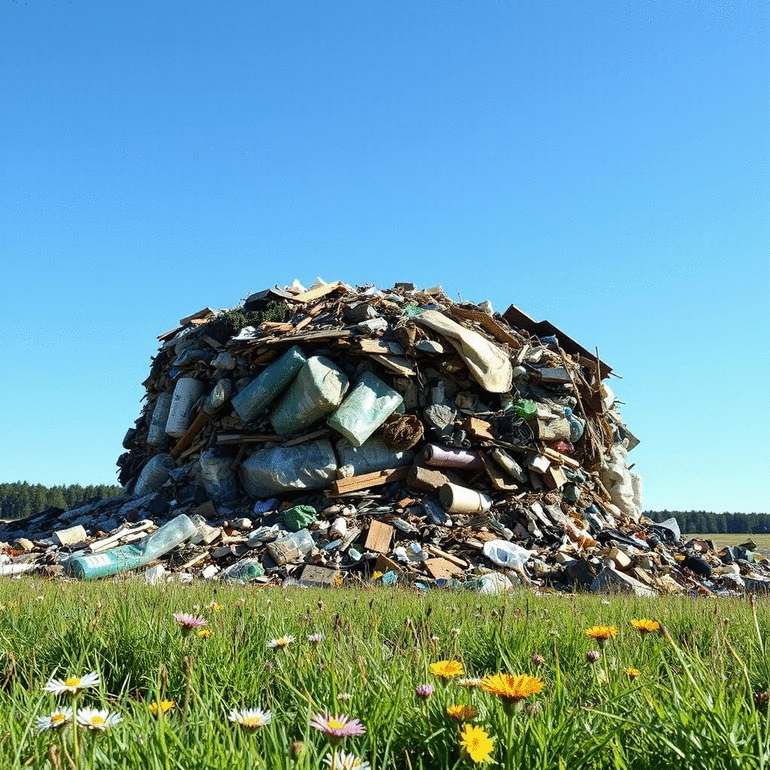
The environmental cost of landfills is staggering, affecting not only our surroundings but also our health. Are we truly aware of the full impact our waste disposal choices have on the planet? Understanding this is crucial for fostering sustainable practices that benefit our communities and future generations.
Key aspects of landfill impacts on the environment, including greenhouse gas emissions and pollution, are highlighted below.
Landfills are significant sources of methane, a potent greenhouse gas. They contribute to climate change, with emissions being far more impactful than carbon dioxide.
Leachate from landfills can contaminate soil, affecting agriculture and natural habitats. This presents long-term environmental challenges.
Landfills release volatile organic compounds and odorous gases, deteriorating air quality and affecting respiratory health in nearby communities.
The establishment of landfills often leads to habitat destruction, adversely impacting local wildlife and biodiversity.
Landfills play a significant role in our waste management system. They are designated areas where waste is disposed of and buried, often designed to isolate rubbish from the environment. However, as someone who cares about sustainability and efficient waste disposal through QuickClearo, I've learned that understanding how landfills work is crucial for realizing their environmental impact. For more insights into efficient waste management, consider these efficient home rubbish removal tips.
It's important to recognize that while landfills can manage waste, they also pose several environmental challenges. As waste decomposes, it can release harmful substances, affecting not just the land but also air and water systems. This makes it vital for us—whether as individuals or businesses—to understand both the benefits and drawbacks of landfills in our communities.
To truly grasp the impact of landfills, we need to define what they are and their function in waste management. Essentially, landfills are engineered sites specifically for waste disposal. They’re designed to minimize environmental hazards while collecting and containing waste, which is a step up from illegal dumping sites!
These features aim to keep our environment safe. However, the reality is that not all landfills are created equal. Some may not have the necessary protections in place, leading to pollution and other issues.
So, why is it urgent for us to understand landfill impacts? With the rising volume of waste generated each year, the pressure on landfills continues to grow. By acknowledging their environmental effects, we can make informed decisions about waste management, pushing for solutions that mitigate these impacts. Learn more about selecting eco-friendly rubbish removal options to reduce landfill stress.
At QuickClearo, we aim to provide not just rubbish removal services but also education on responsible disposal practices. When we prioritize understanding, we empower ourselves to make choices that support a healthier environment.
Did you know? One of the most effective ways to reduce the environmental impact of landfills is through composting. By composting organic waste, you can significantly decrease the volume of waste sent to landfills while creating nutrient-rich soil for your garden. This not only supports sustainable waste management but also enhances your local ecosystem!
As we’ve explored, landfills pose significant challenges to our environment. From greenhouse gas emissions to pollution of soil and water, their impact is extensive and multifaceted. Understanding these consequences is crucial for better waste management practices that not only help our planet but also promote healthier communities. Implementing responsible disposal methods is an essential step toward a sustainable future!
At QuickClearo, we're dedicated to revolutionizing how we think about waste disposal. By engaging in eco-friendly practices and advocating for informed decision-making, we can collectively work towards minimizing the negative impact of landfills. After all, every small action counts!
Effective waste management is more important than ever. Here are some key practices to consider:
When we adopt these practices, we not only reduce waste but also help preserve our precious ecosystems. Knowing how to manage waste responsibly can empower communities and promote sustainability. For more information on responsible disposal, check out these eco-friendly waste disposal tips.
It's essential for us to recognize that our choices as consumers greatly impact landfill operations. Simple changes in our daily habits can lead to significant environmental benefits. By supporting policies that favor sustainable waste management, we can push for change at a larger scale!
Let’s consider advocating for:
As individuals and as a community, we have the power to influence change. By making informed decisions and supporting better policies, we can help reduce the impact of landfills on our environment, ensuring a brighter future for generations to come. For effective strategies in managing waste, consider exploring efficient waste removal in Sydney.
As we wrap up this discussion, let’s address some common questions related to landfill impacts that you might have:
Landfills are often linked to several environmental issues, including:
Understanding these concerns can motivate us to shift towards more sustainable waste management solutions.
Absolutely! Sustainable landfill management can include:
By adopting these practices, we can significantly lessen the environmental impact of landfills.
Hazardous waste can lead to severe environmental and health issues, including:
It’s crucial for everyone to be aware of how hazardous materials should be handled to prevent these dangers!
Landfills contribute to air quality issues primarily through:
By recognizing these impacts, we can better appreciate the need for responsible waste management solutions that prioritize both health and the environment.
Proper waste sorting is crucial because it diverts recyclable and compostable materials away from landfills. This reduces the overall volume of waste needing disposal, conserves resources by allowing materials to be reused, and minimizes the production of harmful leachate and greenhouse gases from decomposing organic matter in landfills.
Consumer behavior significantly impacts landfill issues. By making conscious choices to reduce, reuse, and recycle, consumers can decrease the amount of waste generated. Supporting brands with sustainable practices and advocating for better waste management policies also empower a collective shift towards a more circular economy, reducing reliance on landfills.
Yes, several advanced technologies are being implemented to improve landfill management. These include enhanced methane capture systems to convert gas into energy, sophisticated lining systems to prevent leachate leakage, and waste-to-energy facilities that process non-recyclable waste into electricity or heat, thus reducing landfill volume and environmental impact.
Here is a quick recap of the important points discussed in the article: