What if the seemingly harmless products in your home could pose significant risks to your health and the environment? Understanding hazardous household materials is essential for maintaining a safe living space and a healthy community. Through awareness and action, you can make a positive impact—starting today!
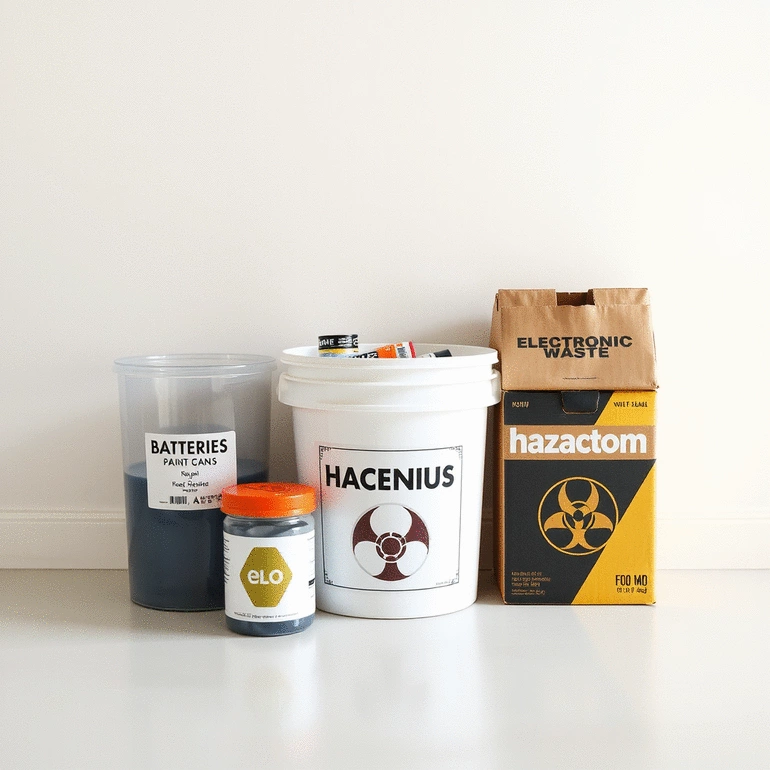
Awareness and proper handling of hazardous materials play a crucial role in waste management. Below is a visual representation of essential components and guidelines for effective hazardous waste disposal. For more information on efficient waste removal, check out our guide on efficient waste removal in Sydney.
When it comes to managing waste at home, it's crucial to understand what qualifies as Household Hazardous Waste (HHW). Recognizing hazardous materials is the first step in keeping our homes and environment safe. Many everyday items can be hazardous, and knowing how to identify and handle them can prevent accidents and promote sustainability.
So, what exactly is considered hazardous waste? In simple terms, these are materials that can be harmful to human health or the environment when disposed of improperly. This includes a wide range of products that we might not think twice about using, often found right in our homes!
Each of these items poses a unique risk, whether through chemical exposure or environmental contamination. Understanding which products fall under this category is vital for responsible disposal. To delve deeper into eco-friendly practices, consider exploring selecting eco-friendly rubbish removal services.
In addition to the items listed, there are several other common household products that you might not realize are hazardous:
Being aware of these materials helps you assess your home and take action. As someone who is devoted to promoting eco-friendly practices through QuickClearo, I encourage you to routinely check your cabinets and storage spaces for these potential hazards!
The Environmental Protection Agency (EPA) plays a critical role in managing hazardous waste. Their guidelines help to establish the standards for safe handling and disposal, ensuring that communities remain healthy and environments are protected. Staying informed about these guidelines can empower you to make smarter recycling and disposal decisions.
The EPA provides a wealth of resources outlining proper disposal methods for hazardous materials. Some key points include:
By adhering to these guidelines, we can help mitigate risks associated with hazardous waste! It's also worth noting that QuickClearo supports these efforts by simplifying the booking process for waste collection, making it easier for you to dispose of items responsibly.
Compliance with EPA regulations isn't just a good practice—it's essential for community safety. Ignoring these rules can result in severe environmental damage and health risks. Not to mention, it can lead to legal consequences for individuals and businesses alike! For more tips on managing household waste efficiently, read about efficient home rubbish removal tips.
By staying informed and compliant, we can work together to create a cleaner, safer environment. Remember, every effort counts in promoting sustainable waste management, and QuickClearo is here to support you with your rubbish removal needs!
Did you know? Properly storing hazardous materials can significantly reduce the risk of accidents. Always keep them in their original containers, securely sealed, and away from children and pets. This simple precaution can prevent harmful exposures and promote a safer home environment!
When it comes to managing hazardous household waste (HHW), community involvement is crucial! Participating in local programs can make a significant difference in how we handle our waste and protect the environment. Getting involved not only helps you dispose of hazardous materials responsibly but also fosters a sense of community responsibility.
One great way to start is by looking for local hazardous waste collection events. These events provide residents with a chance to safely dispose of their hazardous items while also educating the community about waste management practices. It's a win-win situation, as you clear out your clutter and contribute to a cleaner environment!
Communities often have resources to help residents with hazardous waste disposal. Understanding these programs can save you time and effort! Many areas offer free drop-off locations, making it easy to get rid of unwanted materials without added costs.
In addition to drop-off programs, community cleanup initiatives can help manage hazardous waste more effectively. Participating in these programs not only helps keep your neighborhood clean but also raises awareness about the importance of proper disposal techniques. It's a fantastic way to connect with like-minded individuals!
Many people have questions about hazardous waste disposal, and I'm here to help with that! Knowing the right answers can empower you to take action and make informed decisions regarding hazardous materials in your home.
One common question is, "What should you do if you miss a collection event?" Don’t worry! Most communities allow residents to hold on to their hazardous materials until the next scheduled event. You can also check for alternative drop-off locations, such as local waste management facilities. For more details on responsible disposal, check out our guide on responsible electronics recycling tips.
A1: HHW refers to products that contain corrosive, toxic, ignitable, or reactive ingredients. These items can pose a threat to human health or the environment if disposed of improperly. Common examples include paints, pesticides, cleaners, and automotive fluids.
A2: Look for warning labels on product packaging indicating "Danger," "Warning," "Caution," "Poison," or terms like "flammable," "corrosive," or "toxic." Common hazardous items include old batteries, fluorescent light bulbs, mercury thermometers, and various household chemicals.
A3: The Environmental Protection Agency (EPA) sets guidelines and standards for the safe handling, storage, and disposal of hazardous materials. Compliance with EPA regulations is crucial for environmental protection and public safety.
A4: Always keep hazardous materials in their original, clearly labeled containers. Ensure containers are sturdy and leak-proof. Consult Material Safety Data Sheets (MSDS) for specific handling instructions and transport them securely to designated collection sites.
A5: The best way to dispose of HHW is through local hazardous waste collection events, permanent drop-off facilities, or special recycling programs. Check your local government's waste management website for specific dates, locations, and accepted materials in your area.
A6: Community involvement, such as participating in local collection events and educational programs, ensures that hazardous waste is disposed of safely and responsibly. It also raises awareness and promotes a collective commitment to environmental sustainability.
Another essential question is about preparing hazardous materials for transportation. Proper preparation ensures safety for you and others. Always use appropriate containers and label them clearly to avoid any accidents.
Additionally, understanding the importance of Material Safety Data Sheets (MSDS) is vital. These sheets provide critical information about the properties of hazardous materials, guiding you on safe handling practices. Keeping this information handy can make a significant difference in your disposal efforts!
As we wrap up our discussion, it's vital to summarize some best practices for hazardous waste disposal. By following these strategies, you can ensure that your disposal methods are safe and responsible. Remember, you play a key role in protecting the environment!
Being aware of waste segregation is also essential. Segregating hazardous materials from regular waste prevents contamination and promotes safety. Using proper disposal methods for different types of waste makes your efforts even more effective!
Finally, let’s talk about taking action! Your role in advocating for proper hazardous waste practices can inspire others in your community to follow suit. Small actions can lead to significant changes, and it all starts with you!
Encouraging responsible behavior can create a ripple effect. Whether you’re sharing information about proper disposal methods at community gatherings or simply talking to friends and family, every conversation helps raise awareness. Together, we can make our neighborhoods safer and more environmentally friendly! For more ways to contribute to a cleaner environment, consider exploring eco-friendly waste disposal tips.
Here is a quick recap of the important points discussed in the article: