Donation
Keeps usable items out of landfills. This practice supports local charities and reduces waste.

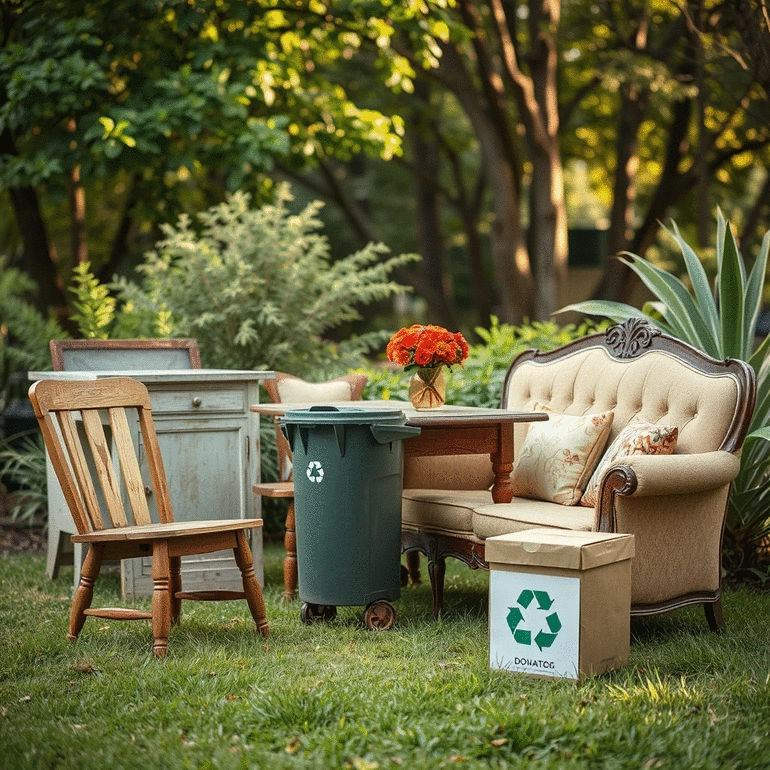
Every year, millions of tons of furniture end up in landfills, contributing to pollution and environmental degradation. As we navigate our disposal choices, understanding the eco-friendly options available can significantly reduce our impact on the planet. Are you ready to make smarter, more sustainable choices?
Understanding the environmental benefits of different furniture disposal methods can help guide responsible choices. Below is a visual representation of the benefits associated with various sustainable practices. For more tips on managing household waste efficiently, check out our article on efficient home rubbish removal tips.
Keeps usable items out of landfills. This practice supports local charities and reduces waste.
Reduces the need for new materials and lowers energy consumption. Recycling is key to sustainable resource management.
Gives furniture a new life, enhancing creativity and sustainability. Upcycling reduces waste and promotes innovation.
Untreated wood and natural fibers can be broken down into organic material, enriching the soil and closing the loop in waste management.
When it comes to getting rid of old furniture, many people wonder about the best ways to do it responsibly. It's not just about clearing out space; it's also about understanding the environmental impact of furniture waste. Every year, millions of tons of furniture end up in landfills, contributing to pollution and waste. So, what can we do to minimize our impact?
At QuickClearo, we believe in promoting eco-friendly practices that help keep our planet healthy. By exploring sustainable options for furniture disposal, we can all contribute to a better environment! Let’s look at how we can reduce our landfill contributions by making smarter choices.
Did you know that furniture waste is a significant contributor to landfill overflow? When old furniture is simply tossed out, it not only takes up valuable land space but also releases harmful substances into the soil and air. This is why understanding the environmental impact of our furniture disposal choices is crucial.
Shifting our focus to eco-friendly options can significantly reduce this impact. By recycling, donating, or upcycling furniture, we can make a difference in how much waste goes to landfills. Ready to learn how to make an impact by recycling furniture with simple tips?
One of the simplest ways to lessen our furniture waste is by adopting sustainable disposal practices. Here are some effective methods to consider:
By implementing these practices, not only do we clean out our spaces, but we also help reduce the pressure on landfills. It’s a win-win situation for everyone!
When considering furniture for disposal, it’s important to recognize what materials are eco-friendly. Sustainable furniture often consists of components that can either be reused, recycled, or composted. This makes it easier to dispose of responsibly and with minimal environmental impact.
So, let’s dive into what characteristics make furniture eco-friendly:
To determine if your furniture is suitable for eco-friendly disposal, consider these categories:
By understanding these categories, we can make better decisions when it comes to our furniture disposal. At QuickClearo, we encourage taking the time to assess your furniture’s materials before deciding how to dispose of them. It’s a small step that can lead to big environmental changes!
Many organizations are dedicated to promoting sustainable furniture disposal, and you can easily get involved! Supporting these groups can make a significant difference in your community.
For instance, donating your unwanted furniture helps those in need while keeping waste out of landfills. Here are some notable organizations you might consider:
These organizations accept furniture donations and provide vital services to those in need. By donating, you not only help someone else but also contribute to a more sustainable future.
Another fantastic way to give your furniture a second life is by participating in community swap events. These events allow you to exchange furniture with others, promoting sustainability within your community.
Furniture banks also provide a resource for those in need, collecting and distributing furniture to families in crisis. It’s a great way to support your local community while reducing waste!
Have you ever heard of Urban Wood Rescue initiatives? They focus on salvaging wood from urban trees and turning them into beautiful, usable products. This not only saves trees but also promotes sustainable practices.
These initiatives often partner with local woodworkers and artisans, turning what might be waste into stunning furniture and decor. By supporting such programs, you help foster a more sustainable and eco-friendly environment! You can also boost your sustainable practices by exploring sustainable decluttering strategies.
Here’s a brief recap of the key points discussed so far:
To further clarify the process of eco-friendly furniture disposal, here are some frequently asked questions:
When it comes to disposing of furniture, I often hear the same questions popping up. Whether it’s about what to do with old couches or broken chairs, understanding the best options for different types is crucial. Let's tackle these common queries together!
Each piece of furniture has its own disposal needs based on material and condition. Here's a quick guide to help you make informed choices:
By knowing the right disposal approach for each type, you can make a significant eco-friendly impact. It’s all about being informed and responsible!
Let’s delve deeper into specific types of furniture. For leather pieces, check if they can be refurbished or donated to organizations that specialize in such items. Upholstered furniture, particularly, needs careful consideration. If it's still in good shape, local charities would love to take it off your hands.
Antique items hold a unique value. Instead of tossing them out, consider reselling or donating to specialty shops. Lastly, damaged items can be tricky. Before you decide to throw them away, see if they can be broken down into parts for recycling. Every bit helps!
Every community has its own set of rules when it comes to waste disposal and recycling. It’s important to familiarize yourself with these regulations to avoid any mishaps!
Staying informed not only helps you comply with regulations but also ensures you're making choices that align with your community's sustainability goals. For more detailed information on waste management, you can read about the environmental impact of landfills.
It's a good idea to look into how your local area approaches furniture disposal. Regulations can differ widely from one place to another. For example, some regions may have strict recycling laws, while others might be more lenient.
By understanding these variations, you can tailor your disposal methods accordingly. This way, you’re not only compliant but also contributing positively to your environment!
As we wrap up this section, let’s focus on some practical decision-making tips. Making smart choices for furniture disposal can save you time and help the planet at the same time.
Being aware of both cost and time can help you choose the best disposal route for your needs. Plus, it allows you to plan better, making the whole process smoother!
Consider creating a simple flowchart to decide the best disposal method for your furniture. Ask yourself:
This quick decision-making tool can streamline your choices and keep you focused on eco-friendly options. Simple questions lead to impactful actions! If you're looking for broader strategies, explore selecting eco-friendly rubbish removal services.
Now that we’ve covered common questions and choices, let’s talk about the broader impact of our disposal decisions. When we choose eco-friendly furniture disposal practices, we’re making a difference!
Choosing sustainable methods can significantly reduce waste and lower our carbon footprint. Every piece of furniture you donate, recycle, or repurpose contributes to a healthier environment. The benefits extend beyond the immediate action!
Have you ever thought about how much waste you can prevent by opting for eco-friendly disposal? Here are some statistics to consider:
Understanding the numbers can motivate you to take action, knowing you're part of a larger movement toward sustainability!
As we conclude, I want to emphasize the importance of community involvement in responsible disposal practices. When we work together, we can inspire others and create a ripple effect of positive change!
Join local initiatives or events that promote sustainability. Together, we can educate and engage others about the significance of eco-friendly furniture disposal. It’s not just about us—it’s about our entire community!
By promoting zero-waste initiatives, we can pave the way for a circular economy where resources are reused and recycled rather than discarded. Let’s aim to transform our disposal habits for a more sustainable future—one piece of furniture at a time!
Here is a quick recap of the important points discussed in the article: