
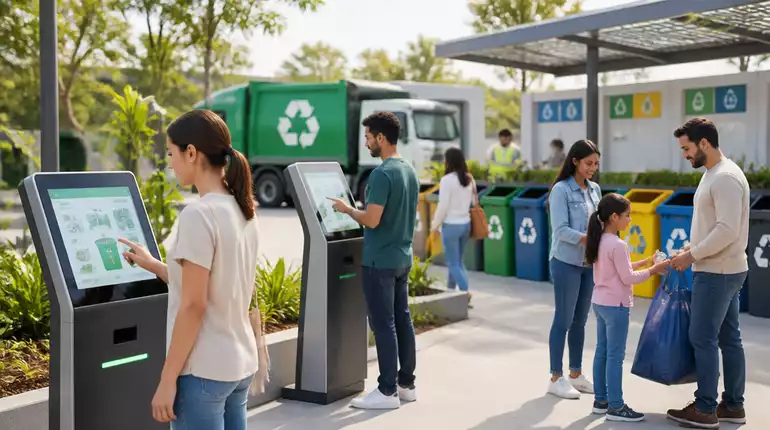
In a world increasingly burdened by waste, how can digital innovation turn the tide on environmental sustainability? The answer lies in the transformative power of digital platforms that streamline waste management and promote responsible disposal.
Different digital platforms serve unique purposes within the waste management ecosystem, enhancing sustainability efforts.
Designed for individuals to engage in recycling and waste reduction, offering tips and local recycling information.
Help waste collection companies streamline pick-up routes, saving time and fuel while reducing carbon emissions.
Track materials throughout the disposal and recycling process, ensuring accountability and transparency.
Function as virtual shops where individuals and companies can buy and sell reusable materials, supporting the circular economy.
In today’s fast-paced world, digital platforms play a crucial role in how we manage waste. They bring speed, efficiency, and convenience to the forefront of rubbish removal and recycling. By leveraging technology, we can make sustainable disposal services more accessible and effective for everyone, from households to businesses.
As someone who is dedicated to sustainability through my work at QuickClearo, I’ve seen firsthand how these platforms can transform waste management. They not only streamline the processes involved but also encourage more people to engage in responsible disposal practices. Let’s dive into what these digital platforms are and how they support sustainable initiatives!
Digital platforms are online systems that connect users with services in real-time. In the context of waste management, they can be apps or websites that allow individuals and businesses to book rubbish removal services easily. Think of them as the bridge between us and the disposal services we need!
For example, at QuickClearo, we provide an intuitive online interface that allows customers to schedule rubbish collection quickly. This not only makes it easier for people to get rid of their waste but also ensures that they can do so responsibly. It’s all about making the process seamless and transparent.
Sustainable disposal services focus on minimizing the environmental impact of waste. This involves recycling, composting, and responsibly managing materials to reduce landfill use. By adopting these practices, we contribute to a healthier planet.
Moreover, digital platforms enhance these services by providing data on waste types and volumes, which helps organizations improve their recycling rates. When we know what materials are being discarded, we can better strategize on how to recycle them effectively and promote more sustainable habits!
One of the most significant advantages of adopting digital platforms in waste management is the efficiency they bring. With the use of smart technology, companies can optimize collection routes, ensuring that vehicles take the most direct paths to reduce fuel consumption. This not only saves time but also cuts down on carbon emissions!
For instance, incorporating route optimization can significantly decrease the distance traveled, leading to lower operational costs and a smaller environmental footprint. It’s a win-win situation for both service providers and our planet!
Artificial intelligence (AI) and the Internet of Things (IoT) are changing how we collect and sort waste. By integrating these technologies, waste management services can automate tasks, streamline operations, and improve accuracy in sorting recyclable materials.
For example, AI can help identify different types of materials on the sorting line, ensuring that recyclables are not contaminated with general waste. This boosts the efficiency of recycling processes and promotes a healthier environment!
Logistics plays a vital role in waste management, and digital platforms enhance this aspect tremendously. By utilizing data analytics, companies can forecast waste generation patterns, allowing for better planning and resource allocation.
Some key benefits of logistics optimization include:
Through these strategies, waste management becomes more efficient and effective, ultimately leading to a more sustainable future. Embracing digital solutions like those offered by QuickClearo can help everyone play a part in responsible waste disposal!
Did you know? Engaging with local community groups through digital platforms can significantly increase recycling rates. By sharing resources and tips, neighbors can motivate each other to adopt more sustainable practices. Consider joining a local online forum or social media group dedicated to waste reduction!
It's exciting to see how digital platforms are shaping a more sustainable future, especially in the context of a circular economy! By integrating technology into waste management, we can facilitate better resource reuse and reduce waste. At QuickClearo, we believe that understanding these platforms is essential for both the environment and communities.
The circular economy is all about keeping materials in use for as long as possible. Digital platforms can help by creating spaces where we can trade resources and by-products. Let's explore how these platforms can make a difference and support sustainable practices!
Secondary-material trading is a cornerstone of the circular economy. It allows businesses and individuals to find new uses for items that would otherwise end up in a landfill. Digital platforms make this process smoother and more efficient!
At QuickClearo, we're thrilled about how these digital solutions advance our mission to promote eco-friendly practices in waste management. By facilitating these exchanges, we can help reduce the burden on landfills and encourage responsible consumption!
Not all digital platforms are created equal! Each type serves a unique purpose within the waste management ecosystem. Understanding these differences is crucial for maximizing their effectiveness.
Each of these platforms plays a vital role in enhancing sustainability efforts. By leveraging the right combination, we can create a more efficient and eco-friendly waste management system!
As we wrap up, it’s clear that digital platforms have a significant role in shaping sustainable waste management practices. They not only streamline processes but also engage communities and promote recycling initiatives.
Here are some key takeaways to remember:
These elements work together to create a more sustainable future. As we adopt these digital solutions, we take meaningful steps toward a circular economy!
Are you ready to join the movement? At QuickClearo, we invite you to explore and embrace digital solutions in waste management. By staying informed and using these tools, we can all contribute to a cleaner, more sustainable environment. Let's make a difference together!
Here is a quick recap of the important points discussed in the article: