Environmental Benefits
Reduced pollution and conservation of ecosystems.

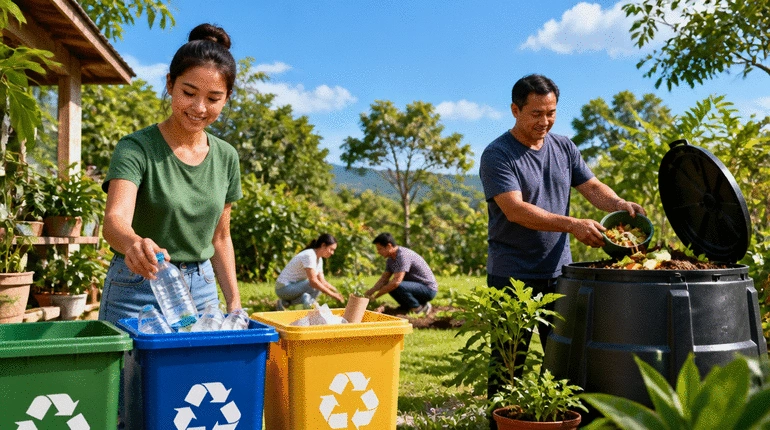
What if your everyday choices could help create a cleaner planet? Sustainable waste management isn't just an eco-friendly trend; it's a pathway to a healthier environment, a thriving economy, and stronger communities. Understanding and implementing these practices can yield immense benefits, and the time to act is now!
Understanding the interconnected benefits of sustainable waste management can motivate us to take action for a healthier planet. For more insights on efficient waste removal, consider this guide on efficient waste removal in Sydney.
Reduced pollution and conservation of ecosystems.
Cost savings, job creation, and new revenue streams from recycling.
Healthier communities and enhanced corporate reputation.
In our fast-paced world, understanding sustainable waste management practices is becoming more crucial than ever. Many people don’t realize that the way we handle waste can significantly impact our environment, economy, and communities. At QuickClearo, we believe in not just removing rubbish but doing so in a way that promotes sustainability and supports the planet.
Sustainable waste management practices refer to strategies that minimize waste generation and ensure that any waste produced is handled responsibly. This involves not only efficient disposal but also reducing, reusing, and recycling materials whenever possible. By making these practices a priority, we can significantly lessen our environmental footprint and promote a healthier planet.
To define sustainable practices, think about a few key points:
When we talk about sustainable waste management, several key components come into play. Each plays a role in ensuring that waste is managed effectively without harming the environment.
At QuickClearo, we strive to incorporate these components into our rubbish removal services. By educating our customers about responsible waste management, we can all work together towards a cleaner and greener future! You can also find tips for efficient home rubbish removal to further your sustainable efforts.
Waste reduction is vital for preserving our ecosystems. When we reduce the amount of waste we produce, we lower the strain on landfills and decrease the potential for pollution. This not only protects wildlife but also helps maintain biodiversity. Imagine how incredible it would be to see cleaner environments thriving around us!
Several strategies can help achieve this goal:
Another significant impact of effective waste management is its ability to mitigate pollution and combat climate change. Poor waste handling leads to contaminants leaching into soil and water, affecting us all. By adopting sustainable practices, we can help minimize these harmful effects.
One of the less visible but crucial aspects of waste management is its role in reducing greenhouse gas emissions. When organic waste decomposes in landfills, it produces methane, a potent greenhouse gas. By focusing on waste reduction and recycling, we can diminish these emissions and contribute to a healthier atmosphere. Learn more about the environmental impact of landfills and how sustainable practices can help.
Lastly, it's essential to recognize the importance of environmental justice in waste management. Often, communities that are most affected by poor waste management practices are the ones least equipped to deal with its consequences. At QuickClearo, we believe in promoting fair and equitable waste practices that benefit all communities.
By considering these factors, we can work towards a waste management system that not only protects our environment but also promotes fairness and equity in how waste is handled. Together, we can create a cleaner, greener future for everyone!
Sustainable waste management isn't just good for the environment; it also makes economic sense! Businesses can save money by implementing efficient waste practices. This means fewer disposal costs, reduced purchasing of raw materials, and even potential revenue from recyclable materials. Imagine cutting costs while helping the planet!
Consider these economic advantages:
Another exciting benefit is the job creation potential through recycling programs. Recycling and waste management industries can create new jobs—everything from collection to processing to education about sustainability. More jobs mean more opportunities for individuals and communities alike!
Implementing recycling programs can also yield additional economic benefits. Recycling reduces the need for virgin materials, which can save resource costs and energy. Plus, when communities prioritize recycling, they often see economic growth!
There’s a direct link between waste management practices and community health. When waste is managed well, we see healthier neighborhoods and improved quality of life. Clean environments contribute to physical and mental well-being, making sustainable waste management a social necessity!
For businesses, adopting sustainable practices can enhance their reputation. Customers today are looking for companies that care about the environment. By aligning your business with sustainable waste management, you can build trust and loyalty!
Lastly, community engagement in waste management efforts fosters a sense of ownership. When people are involved in local waste initiatives, they are more likely to take pride in their environment. Efforts by QuickClearo to educate and engage customers reflect our commitment to fostering community participation in waste management! For more on making environmentally conscious choices, check out our tips for selecting eco-friendly rubbish removal services.
By recognizing the significance of sustainable waste management practices, we not only protect our environment but also unlock a wealth of benefits for our economy and communities. It's about creating a cleaner, healthier future for everyone!
Did you know? Implementing a simple waste audit at home or in your business can reveal valuable insights into your waste generation patterns. By identifying what materials you discard most frequently, you can tailor your reduction, reuse, and recycling strategies more effectively. This proactive approach not only helps in minimizing waste but also empowers you to make informed decisions about sustainable practices!
As we wrap up our discussion on sustainable waste management, it’s crucial to remember why these practices matter. Sustainable waste management isn't just a trend; it's a necessity for our planet's health, our economy, and our communities! The benefits are wide-ranging, and understanding these can motivate us all to take action.
First, let’s reflect on the core benefits of implementing sustainable waste management. Here’s a quick recap:
These benefits highlight the interconnectedness of our actions and their outcomes. It’s clear that we all have a role to play in promoting sustainable practices, whether through individual efforts or collective initiatives. At QuickClearo, we see this every day as customers engage in responsible rubbish removal, emphasizing eco-friendly methods.
As we journey toward a sustainable future, the importance of advocacy and education cannot be overstated. Our communities need ongoing support to grasp the significance of sustainable practices. Education fosters an understanding of how small changes can lead to massive impacts, making it essential for everyone to stay informed!
We should also recognize that sustainable waste management contributes to a better quality of life. When we all work together, we can create cleaner, safer environments for ourselves and future generations. It’s rewarding to think that our collective efforts can lead to a healthier planet!
Now, you might be wondering, "How can I start implementing sustainable practices today?" Here are some actionable steps you can take:
Each small change can lead to significant results, and it’s never too late to start! If you're looking for more resources, I encourage you to check out online platforms that offer guidance on sustainable practices. Remember, QuickClearo is always here to support your waste management needs with eco-friendly solutions!
To further your understanding, consider exploring the following resources:
Staying engaged and informed will empower you to make a lasting difference in your community and the world! The journey toward sustainability is ongoing, but with each step, we can create a brighter future.
Finally, let’s discuss sustainable procurement. By choosing products from companies that prioritize eco-friendly practices, you contribute to a greener economy. Look for certifications or labels that indicate a product's sustainability. Every purchase we make can be a step toward a more sustainable future!
At QuickClearo, we believe in not just providing rubbish removal services but also promoting a culture of sustainability. Let’s work together to ensure our planet thrives for generations to come!
Here is a quick recap of the important points discussed in the article: