Cost-Effective Upcycling
- Assess what you already own.
- Set a budget for new materials.
- Shop thrift stores for affordable supplies.

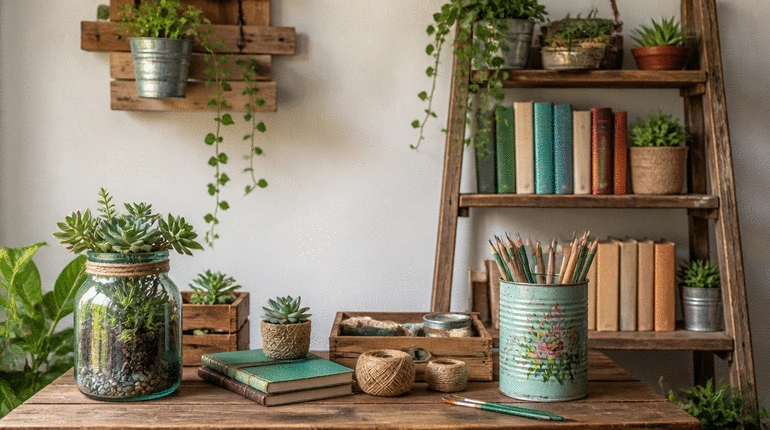
In a world where waste is a growing concern, embracing upcycling can lead to not only a more sustainable lifestyle but also a uniquely personalized home. Upcycling transforms discarded items into beautiful creations, merging creativity with environmental responsibility.
Understanding the costs and time involved in your upcycling projects is crucial for planning. Here are some insights based on the various upcycling categories, which can also help with efficient home rubbish removal.
Are you looking for ways to transform your home while also being kind to the environment? Upcycling might just be the answer you're seeking! This sustainable practice allows you to breathe new life into old items, reducing waste and creating unique decor that reflects your personal style. Join me as we explore some innovative upcycling concepts that will not only beautify your space but also promote eco-friendly living.
Let’s start by defining what upcycling really means. Essentially, it's the process of taking discarded materials or products and creatively reusing them to create something of higher quality or value. The benefits of upcycling are numerous—it helps reduce landfill waste, conserves resources, and can often save you money! For more tips on sustainable practices, consider learning about sustainable decluttering strategies.
By transforming old items into new treasures, you are not only giving those objects a second chance but also contributing to a more sustainable planet. Imagine creating a stunning table lamp from a vintage teapot or a chic planter from an old tire. The possibilities are endless, and the results can be truly rewarding!
Upcycling differs from recycling in that it often involves little to no processing of materials. Instead, you’re simply using your creativity to repurpose items. This approach minimizes environmental impact by:
Have you ever walked past a thrift store and spotted something that made your creative juices flow? Upcycling allows you to see potential where others might see junk. For example, an old ladder can become a rustic bookshelf, or wine corks can be transformed into stylish coasters. This process not only sparks creativity but also gives you a sense of accomplishment and pride in your work!
Every upcycling project tells a story. When you incorporate these pieces into your home, you're not just decorating; you're sharing a piece of history and a personal narrative that makes your space uniquely yours.
Now that we have a grasp of what upcycling is, let’s dive into some creative ways you can repurpose everyday household items. The best part? You probably have many of these items lying around your home, just waiting to be transformed!
Glass jars and bottles are some of the most versatile items for upcycling. With a little imagination, they can become:
These simple transformations can help declutter your space while adding a personal touch!
Before you consider tossing out that old chair or dresser, think about how it can be given a new lease on life! Furniture repurposing can include:
These changes not only enhance the aesthetic of your home but also save you money compared to buying new furniture.
Don’t forget about those fabric scraps! They can be turned into:
By using what you already have, you’ll not only save money but also create one-of-a-kind pieces that reflect your style.
Thrift stores are treasure troves for upcycling enthusiasts! From vintage bowls to old picture frames, you can find items that can be transformed into:
Each upcycled piece becomes a conversation starter, showcasing your creativity and commitment to sustainability.
With some inspiration, you can upcycle items for every room in your home. Let’s explore some specific ideas for various spaces!
When embarking on your upcycling journey, start with projects that resonate with your interests. For instance, if you love gardening, focus on upcycling items that can enhance your outdoor space, such as converting old furniture into planters. This will not only keep you motivated but also ensure that your creations are meaningful and aligned with your lifestyle!
As you embark on your upcycling journey, it’s essential to find inspiration and motivation to keep your creativity flowing. Seeing how others have transformed their items can spark ideas for your projects! Let’s dive into some visual examples and practical insights to help you along the way.
One of the best ways to get inspired is by looking at successful upcycling projects. Here are a few examples that showcase stunning transformations:
These transformations not only enhance your space but also promote a sense of sustainability. I've seen many customers at QuickClearo who love showing off their upcycled treasures, and it’s inspiring to witness their creativity shine!
Beyond the examples, sharing images of your upcycling projects can motivate others. Platforms like Instagram and Pinterest are filled with creative ideas! When you post your before and after photos, you might just inspire someone else to start their journey.
Consider using hashtags related to upcycling, like #UpcycleYourLife or #DIYProjects, to connect with a community of like-minded individuals. It’s a great way to share tips, get feedback, and feel part of a larger movement towards sustainability.
Don’t hesitate to share your personal stories about your upcycling adventures! You might have faced challenges, but those experiences can help others avoid the same pitfalls. Many of my friends and clients have found that sharing their ups and downs makes the process relatable. It creates a sense of community where everyone supports each other’s efforts!
At QuickClearo, we regularly feature customer stories on our blog, highlighting the creative ways they've repurposed items. It’s not just about clearing clutter; it’s about celebrating the journey together!
Understanding the costs and time involved in your upcycling projects is crucial for planning. Knowing what to expect can help you budget better and stay motivated!
Upcycling can be incredibly cost-effective, especially if you use materials you already have. Here are some budgeting tips:
By being resourceful and creative, you can keep your costs down while making beautiful items for your home.
Time can vary greatly depending on the complexity of the project. Here are some rough estimates to help you plan:
Taking the time to enjoy the process can make your upcycling experience even more rewarding!
While upcycling is exciting, there are some common mistakes to watch out for. Let’s ensure your projects go smoothly!
Many new upcyclers face challenges that can easily be avoided. Here are some tips:
By being mindful of these pitfalls, you can create wonderful pieces without unnecessary stress!
It’s important to ensure that your upcycled items are both beautiful and usable. Here are a few pointers:
Combining aesthetics with functionality is the key to successful upcycled projects.
Now that you’re equipped with knowledge and inspiration, it’s time to take action! Upcycling is not just a trend; it’s a movement towards a more sustainable lifestyle that we can all be part of.
I'd love to see what you create! Share your upcycled projects online and tag us at QuickClearo. Let’s build a community of upcycling enthusiasts who celebrate creativity and sustainability together!
Remember, every small effort counts. Upcycling helps reduce waste while allowing your imagination to soar. It’s a wonderful way to practice sustainability in our daily lives!
If you’re looking to expand your skills, consider joining community workshops or checking out online resources for eco-friendly waste solutions. Many local groups offer great hands-on experiences, and there are tons of online resources to help you learn new techniques.
Let’s keep the spirit of upcycling alive, one project at a time! Together, we can make a difference while adding character to our homes.
Here is a quick recap of the important points discussed in the article: