Embracing Reusable Solutions
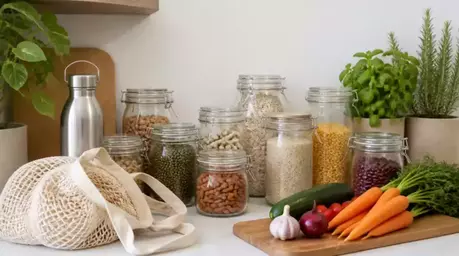
Switching to reusable items reduces waste significantly. Some examples include:
- Cloth towels instead of paper towels
- Reusable shopping bags
- Stainless steel water bottles

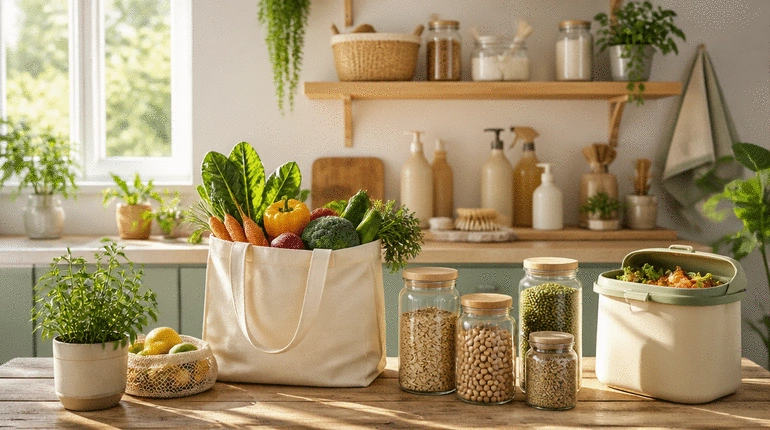
Have you ever wondered how small daily choices can lead to a significant positive impact on our planet? As we confront the pressing issue of household waste, every step taken toward reducing it counts.
Here are some practical strategies for reducing household waste, along with their potential impact on the environment:
Switching to reusable items reduces waste significantly. Some examples include:
Intentional shopping can minimize waste:
Composting kitchen scraps greatly reduces landfill waste:
Reducing energy and paper waste can lead to significant savings:
Excessive waste poses serious threats to our planet! When we throw away items instead of reusing or recycling them, we contribute to overflowing landfills and increased pollution. It's essential to understand that our waste habits can impact air and water quality, as well as wildlife habitats, making waste reduction a crucial part of protecting the environment. For more information on environmental impact, consider exploring resources on landfills and their environmental impact.
At QuickClearo, we believe that every small step counts. By reducing the waste we generate, we not only lessen our individual footprints but also encourage others to join the movement towards sustainability. Let’s work together to make a difference in our communities!
Switching to reusable items is a fantastic way to cut down on waste! Here are some easy options you can adopt:
These small changes can lead to significant waste reduction over time! Plus, they often save you money in the long run.
When it comes to shopping, being intentional can make a huge difference! Here are some smart shopping tips:
By implementing these strategies, you’ll not only reduce waste but also make healthier choices for you and your family!
Composting is a great way to turn food scraps into valuable nutrients for your garden! Here’s how you can start:
By composting, you’ll significantly reduce the amount of waste that ends up in landfills, making a positive impact on the environment! You can learn more about composting kitchen waste at home.
Reducing energy and paper waste is another vital step towards sustainability! Here are actionable strategies:
These simple changes can lead to savings on your bills and a smaller carbon footprint!
Before tossing items in the trash, consider how you can give them a new life! Here are some fun ideas:
Repurposing not only reduces waste but also sparks creativity, making it a win-win!
Getting involved in your community can enhance your waste reduction efforts! Here are some local resources:
Engaging with local resources not only benefits the environment but also strengthens community ties!
Involving your family in waste reduction can be a fun and educational experience! Consider these activities:
Making waste reduction a family affair not only teaches responsibility but also fosters a love for the environment!
Keeping track of your waste reduction journey can help you stay motivated! Here are some tools and apps I recommend:
Tracking your efforts can be inspiring and help you see just how much of a difference you’re making!
Choosing eco-friendly products is essential for a sustainable lifestyle! Here’s what to look for:
By incorporating these products into your home, you’re not only making a positive impact but also encouraging a greener marketplace!
Recycling is a crucial component of effective waste management! Here’s why:
Understanding the recycling process can empower you to make smarter disposal choices! For those in Sydney, efficient waste removal can be significantly improved by understanding local recycling guidelines provided by services like QuickClearo.
Minimalism can lead to significant waste reduction and a more sustainable living environment! Here’s how:
By embracing minimalism, you create a simpler, more sustainable lifestyle that benefits both you and the environment!
Here's a brief recap of the key points discussed so far:
When it comes to reducing waste, measuring our progress is essential. Tracking our habits can help us see how far we've come and motivate us to keep going! A great way to start is by setting up a simple habit tracking system. This way, you can monitor your waste reduction efforts and celebrate those small victories along the way.
I recommend using a waste audit template to get started! By jotting down what items you're throwing away each week, you can identify patterns and areas where you can improve. Consider including categories like food waste, recyclables, and non-recyclable items. It's a fun and eye-opening exercise that can lead to meaningful change!
Are you ready to take your first steps toward a zero-waste home? Now is the perfect time to start making small changes that can lead to big impacts. At QuickClearo, we believe that every effort counts, and your journey can inspire others!
To help you get started, I’ve created a free downloadable checklist of easy changes you can implement in your home. This checklist includes simple tips on recycling, repurposing, and reducing waste. Remember, even tiny actions can create a ripple effect in your community!
Many people have questions about how to reduce their household waste effectively. It can feel overwhelming at first, but I assure you, it’s manageable! Here are some common questions that I often hear:
As we wrap up our exploration of waste reduction, remember that every little step counts. From tracking your habits to making conscious choices at home, you can create a sustainable environment for yourself and your family. Let’s embrace a waste-conscious mindset together!
By implementing the strategies we've discussed, not only will you declutter your space, but you’ll also contribute positively to the environment. It’s time to make waste reduction a priority and start seeing the positive effects on our planet.
Food waste is a significant contributor to overall waste, but there are many ways to tackle it! Simple changes in how we plan and store food can make a huge difference. Meal planning is one of my favorite techniques—it helps me buy only what I need!
Don't forget, community resources can be incredibly helpful in your journey toward sustainability! There are often local programs and initiatives that support waste reduction. I love taking part in community swaps and donation drives!
Here is a quick recap of the important points discussed in the article: