Are you aware that over 25% of landfill waste consists of organic materials? By composting kitchen scraps, you can play a significant role in reducing this waste and contributing to a healthier planet. Let’s delve into the various benefits of this sustainable practice!
Composting kitchen waste offers numerous advantages for both the environment and personal finances. Below are some critical insights into its impact, much like understanding efficient waste removal in Sydney.
Composting reduces landfill waste and lowers methane emissions significantly. About 25% of landfill waste is organic, which composting can effectively divert.
Composting can lower grocery bills by enabling you to grow your own produce, reduce waste disposal service fees, and save on fertilizer costs.
Compost improves soil health, enhances nutrient availability, and promotes healthy plant growth, making it an excellent alternative to chemical fertilizers.
Composting supports local sustainability efforts, engages communities, and promotes eco-friendly practices across neighborhoods.
Are you ready to turn your kitchen scraps into something truly valuable? Composting is not just a trendy eco-practice; it’s a way to transform waste into *soil gold*! With QuickClearo, we believe in making sustainable choices accessible and effective for everyone. Let’s explore how composting your kitchen waste can have a positive impact on both the environment and your wallet.
Composting kitchen waste plays a crucial role in reducing our environmental footprint. When organic waste decomposes in landfills, it produces *methane*, a greenhouse gas that is significantly more potent than carbon dioxide. By composting, we can significantly cut down these harmful emissions and contribute to a healthier planet.
Moreover, composting promotes landfill diversion, which is essential in managing waste effectively. Here are some benefits of this practice:
When we compost, we help reduce the methane emissions created during the decomposition of organic waste in landfills. Did you know that about 25% of landfill waste is organic? By turning your kitchen scraps into compost, you not only keep these materials out of landfills but also help mitigate the greenhouse gas effects on our environment, much like understanding the environmental impact of landfills!
Composting makes a significant impact by diverting organic waste from landfills. When less waste is sent to landfills, we can reduce the overall strain on our waste management systems. This is especially important for urban areas where landfill space is limited. It’s a win-win for both communities and environments!
Implementing composting practices can drastically lower greenhouse gas emissions. By decomposing organic materials correctly, we can shift the balance toward a more sustainable waste management approach. Here are a few ways composting helps:
Aside from environmental advantages, composting also offers substantial economic benefits. One way to think of it is as an investment in your home and garden! With QuickClearo’s commitment to promoting sustainable practices, I often encourage clients to consider the cost savings associated with composting.
Composting can significantly reduce the need for store-bought fertilizers and waste disposal services. Here's how:
By creating nutrient-rich compost, you can diminish the reliance on chemical fertilizers. This not only saves money but also contributes to healthier soil. It’s a fantastic way to nurture your garden while being mindful of your budget!
The return on investment when you start composting can be substantial. Over time, the savings from reduced waste disposal fees and the ability to grow your own vegetables can add up. Think about it: every time you use your compost in the garden, you’re reinvesting in your home!
For gardening enthusiasts, compost serves as an excellent alternative to commercial fertilizers. Not only does it enrich the soil, but it also promotes healthier plants. Here’s why I love using compost in my garden:
Creating a thriving garden begins with healthy soil, and compost acts as a powerful soil amendment. It’s like giving your garden a nutritious boost! By integrating compost into your planting routine, you can naturally enhance the health of your plants.
Compost not only enriches soil but also improves its structure. Here’s how:
As a soil amendment, compost plays a vital role in enhancing the overall quality of your garden's soil. It adds essential nutrients while also improving the soil's ability to retain moisture. I always recommend amending soil with compost to anyone who wants a flourishing garden!
Composting improves the soil structure, making it crumbly and more conducive for root growth. This ensures that plants can access water and nutrients effectively. With the right compost, your plants will thrive, and you’ll find gardening more rewarding!
Organic matter from compost is crucial for nutrient cycling. It provides the essential nutrients that plants need to grow. With increased organic matter, your soil’s ability to hold moisture and nutrients improves, leading to healthier and more robust plants!
Composting doesn’t just help you; it supports broader sustainable gardening practices. By creating a closed-loop system, we can utilize waste to nourish our gardens instead of relying heavily on external resources. It’s a responsible way to garden—and it’s something I truly believe in!
In addition to enriching soil, composting contributes to carbon sequestration. This means that carbon dioxide is captured and stored in the soil, reducing its presence in the atmosphere. It’s a small action with *big* implications for climate change!
When we compost, we are not only recycling nutrients but also helping to capture carbon in the soil. This process is essential for climate mitigation. By choosing to compost, you’re playing a part in addressing climate challenges.
A compost-rich garden is more resilient and better able to withstand adverse weather conditions. Whether it’s drought or heavy rainfall, healthy soil can manage moisture effectively. Imagine having a garden that thrives, no matter the climate challenges!
By composting, you’re also promoting biodiversity in your garden. The diverse range of nutrients found in compost can attract various plant species and beneficial organisms. This makes your garden not only more productive but also a vibrant ecosystem!
Ready to start your composting journey? There are several practical methods to choose from, depending on your space and preferences. Let’s break down some options to find the best fit for you!
Here are three popular composting methods:
Each composting method has its unique benefits. Traditional bins are ideal for those with garden spaces, while Bokashi is perfect for those who want a quick indoor solution. Worm composting can fit right into your kitchen! Choosing the right method can make composting more enjoyable and effective.
Here’s a simple guide to kick-start your composting journey:
When selecting a compost bin, consider factors like space, material, and ease of use. There are many options available to suit your needs! Here are some tips:
While composting is rewarding, it can come with its challenges. But don't worry; I'm here to help you troubleshoot! Let’s explore some common composting issues and how to overcome them.
For instance, odors and pests can be a concern for many new composters. Here’s how you can tackle these issues:
If you notice unpleasant smells, it could be due to too many wet materials. Balance this by adding dry materials like leaves or cardboard. Keeping an eye on your compost's moisture levels can make a huge difference!
Knowing what scraps to compost is key. Here’s a quick reference:
Lastly, understanding the carbon-to-nitrogen ratio can help you achieve successful composting. A balanced mix (about 30:1) ensures efficient decomposition. By mixing *green* (nitrogen) and *brown* (carbon) materials, you’ll create the perfect environment for composting!
By embarking on your composting journey, you not only help reduce waste but also enrich your garden and contribute to a healthier planet. At QuickClearo, we’re passionate about supporting sustainable practices, and composting is a fantastic way to start making a difference in your home, much like considering sustainable decluttering strategies!
Here's a brief recap of the key points discussed so far:
Are you ready to make a positive change in your home and the environment? Composting kitchen waste is a fantastic way to do just that! By transforming your food scraps into nutrient-rich compost, you’re not only improving your garden but also helping our planet. Let’s explore some of the key benefits that home composting brings to the table!
Composting kitchen waste is a win-win for both you and the environment. Here are some key takeaways:
Moreover, communities are increasingly recognizing the significance of composting. It’s inspiring to see local groups and organizations come together to promote composting initiatives. When you get involved, you’re joining a movement of like-minded individuals committed to sustainable living. Isn’t that exciting?
Every time you compost, you’re making a difference! Let’s break down the benefits:
Communities play an essential role in promoting composting, and their efforts can significantly enhance awareness. Local workshops, educational programs, and community composting projects can help spread the word about the benefits of composting. It’s amazing how many resources are available at your fingertips! Getting involved in these initiatives not only boosts your knowledge but also connects you with others who share your passion for sustainability.
Taking the first step into home composting can feel overwhelming, but it doesn’t have to be. With the right resources and support, you can dive right in! Here’s how to get started:
There are tons of resources available to help you along your composting journey! Here are a few to check out:
Connecting with others can make your composting experience more enjoyable and informative. Sharing experiences and tips can inspire you to stick with it!
Hearing success stories can be a powerful motivator. Many beginners have shared their experiences of transitioning to home composting with positive outcomes. Here are just a few highlights:
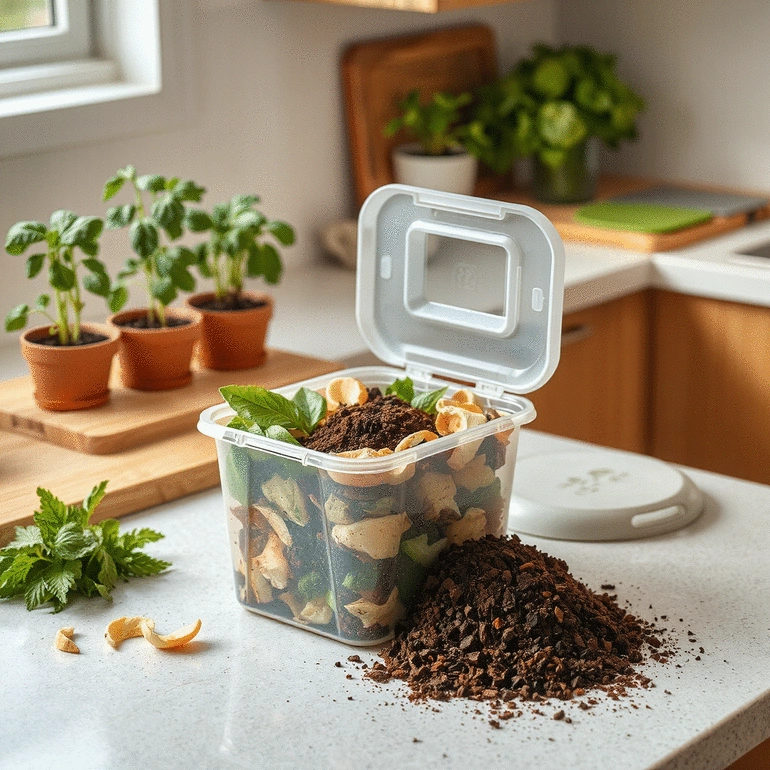
Urban dwellers don’t have to miss out on composting! There are several indoor composting options that are perfect for small spaces. Consider using:
Urban gardening can complement your composting efforts, allowing you to grow fresh herbs and vegetables right in your kitchen or balcony. It’s the perfect combination for a sustainable lifestyle!
As you start your composting journey, you might have some questions. Here are common concerns addressed for beginners:
Don’t hesitate to seek answers! Engaging with experienced composters can help ease your concerns. Whether you’re worried about the proper scraps or how to maintain balance in your compost bin, there’s a wealth of knowledge out there, similar to how you might find eco-friendly waste disposal tips.
One of the best parts of composting is the community you can build around it. Join forums, Facebook groups, or Instagram pages where composters share tips and successes. Sharing your journey can not only inspire you but also encourage others to join the movement. Remember, every bit of compost you create is a step towards a greener planet!
Here is a quick recap of the important points discussed in the article: