
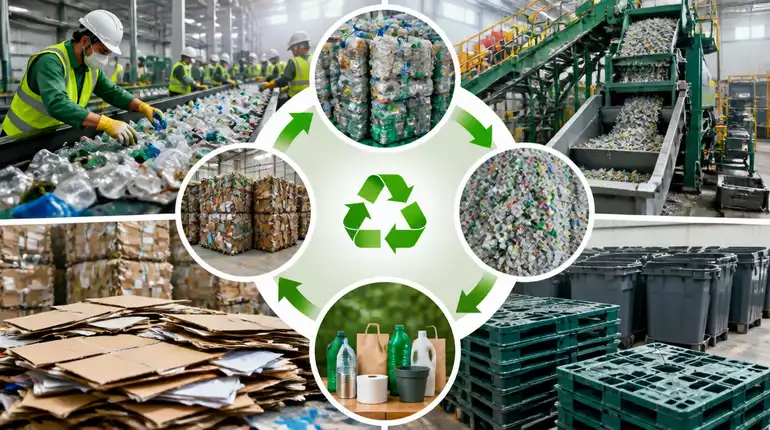
Did you know that recycling not only helps to clean our environment but also plays a crucial role in combating climate change? Understanding the lifecycle of recycled materials empowers us to make responsible decisions that contribute to a sustainable future.
Understanding the stages of the recycling process is vital for effective waste management and resource conservation. For more tips on managing your waste effectively, check out our guide on efficient home rubbish removal.
The journey of recycling begins with the proper collection of recyclable materials from homes and businesses.
Collected materials are sorted and processed to remove contaminants and prepare them for recycling into new products.
Processed materials are then transformed into new products, reducing the need for virgin resources.
New products made from recycled materials are distributed to consumers, closing the loop on the recycling process.
Consumers purchase and use products made from recycled materials, encouraging further recycling efforts.
Finally, the cycle begins anew as products reach the end of their life and are returned for recycling.
The lifecycle of recycled materials is a fascinating journey that begins with the collection of waste and ends with the creation of new products. It is essential for us to understand this process because it plays a vital role in effective waste management. By recognizing how recycling works, we can appreciate its significance in conserving resources and reducing the amount of rubbish that ends up in landfills.
At QuickClearo, we emphasize the importance of proper waste disposal and recycling. This not only helps our environment but also contributes to a healthier planet for future generations. Understanding the lifecycle empowers us to make informed decisions about our waste and encourages sustainable habits that can lead to a cleaner, greener world.
Recycling has a profound environmental impact that goes beyond just reducing landfill waste. It plays a critical role in conserving natural resources, such as timber, water, and minerals. By recycling, we divert materials from landfills and give them a new life, which directly contributes to resource conservation and sustainability. For more insights on responsible disposal, explore our article on selecting eco-friendly rubbish removal.
Moreover, recycling can significantly reduce greenhouse gas emissions, which combat climate change. Every item recycled contributes to a smaller carbon footprint, making it a crucial step in our collective effort to protect the environment. When we recycle, we aren’t just cleaning up our spaces; we’re also taking part in a larger movement toward a sustainable future.
Resource recovery is at the heart of a circular economy, and it plays a significant role in environmental stewardship. This concept is all about keeping resources in use for as long as possible, minimizing waste, and ensuring that materials are reused or recycled. By embracing resource recovery, we can help reduce our reliance on finite resources.
At QuickClearo, we advocate for practices that enhance resource recovery as a means to lower our carbon footprint. This approach not only benefits the planet but also creates economic opportunities in recycling and waste management. It’s exciting to think that when we recycle, we’re contributing to a system that values sustainability.
Understanding the importance of resource recovery is crucial for fostering a culture of sustainability. As more people recognize the value of recycling, we can move closer to achieving our environmental goals and nurturing a healthier planet together. So, let’s make recycling a part of our everyday lives—it’s a simple way to make a big difference!
Did you know? Implementing a simple sorting system at home can increase your recycling efficiency by up to 50%. By designating specific containers for paper, plastics, and metals, you can streamline your recycling process and ensure that more materials are diverted from landfills. This small step makes a big difference!
A: The main stages include collection, processing, manufacturing, distribution, consumption, and the return to collection, creating a continuous loop.
A: Recycling significantly reduces greenhouse gas emissions by decreasing the need for virgin resources and lessening the energy required for manufacturing new products.
A: The closed-loop concept refers to a system where materials are continuously reused and recycled, minimizing waste and reducing the demand for new raw materials, thus fostering a circular economy.
A: You can start a recycling station at home, educate yourself on local guidelines, participate in community clean-ups, and choose products with recycled content.
A: Eco-design and green chemistry focus on creating products that are easier to recycle and have a lower environmental impact throughout their lifecycle, promoting innovation in the recycling sector.
As we wrap up our exploration of the recycling lifecycle, it's clear that understanding this process is vital for sustainable resource management. Each stage, from collection to manufacturing, plays a crucial role in protecting our environment and conserving resources. By participating actively in recycling, we contribute to a more sustainable future, ensuring that valuable materials are reused rather than discarded. For further reading on making sustainable choices, consider our guide on why sustainable waste management matters.
Our commitment at QuickClearo extends beyond rubbish removal; we aim to empower our clients with knowledge about the recycling process. Remember, every small action counts, and by embracing the recycling lifecycle, we can collectively make a bigger impact!
Understanding the closed loop concept in recycling is essential for fostering a circular economy. When we recycle, we not only reduce waste but also create a system where materials are continuously reused, minimizing the need for virgin resources. This cycle can lead to significant environmental benefits, including reduced landfill waste and lower carbon emissions.
Here are a few key takeaways about the closed loop concept:
By grasping these concepts, we can all contribute to a more sustainable world. This understanding encourages us to make mindful decisions, not just in our personal lives but also in how we engage with our communities.
Now is the time for action! I encourage you to take specific steps in your daily life to support recycling efforts. Here are some simple yet effective actions you can take, and for more detailed guidance, check out our tips on setting up home recycling systems:
As a member of the QuickClearo family, your efforts can create a ripple effect. Let's work together to spread awareness and foster a culture of recycling within our communities!
Finally, let's consider how eco-design and green chemistry can innovate the recycling sector. These practices focus on creating products that are easier to recycle and have less environmental impact throughout their lifecycle. Here’s how we can promote these initiatives:
By embracing these eco-friendly practices, we can nurture a more sustainable environment for future generations. At QuickClearo, we believe that together, we can revolutionize the rubbish removal industry and contribute positively to our planet!
Here is a quick recap of the important points discussed in the article: