Participation Rates
Monitor how many community members engage in workshops or events to assess community involvement.

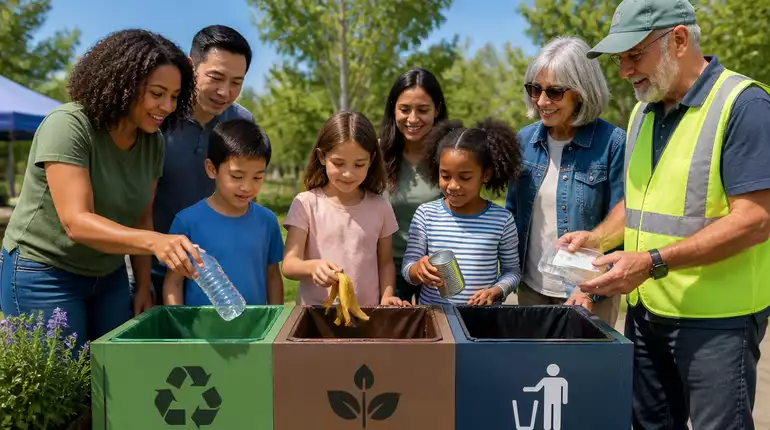
Understanding the importance of responsible waste disposal is essential for the health of our planet and communities. By educating ourselves and others, we can create a ripple effect that leads to cleaner streets and healthier ecosystems. What steps can we take to engage our communities in this vital mission?
Understanding KPIs can help gauge the effectiveness of waste management initiatives within the community. Below are important metrics to track and their visual representation. For more tips on managing household waste efficiently, check out our guide on efficient home rubbish removal tips.
Monitor how many community members engage in workshops or events to assess community involvement.
Assess social media interactions and discussions around waste management topics.
Measure non-recyclable materials in recycling bins to identify education gaps.
Evaluate the percentage of waste diverted from landfills through recycling and composting.
Responsible waste disposal is crucial for maintaining a clean and healthy environment. It involves not only the act of throwing away rubbish but also understanding how our waste impacts the community and the planet. At QuickClearo, we believe that educating ourselves and others about proper waste management can lead to a more sustainable future, filled with cleaner streets and healthier ecosystems.
When we talk about responsible waste disposal, we mean making informed decisions about how to handle our rubbish. This includes recycling, composting, and reducing waste wherever possible. The impact of these choices can be significant, as they contribute to a healthier community by minimizing landfill waste and promoting recycling efforts.
Responsible waste disposal encompasses all the actions we take to manage our waste sustainably. This can range from simple tasks like sorting recyclables at home to participating in community clean-up events. When community members engage in responsible disposal practices, the positive effects ripple throughout the neighborhood.
Through effective waste management, communities can see improvements such as cleaner public spaces, reduced pollution, and enhanced public health. For example, when residents recycle, they not only reduce the amount of waste going to landfills but also help conserve resources and energy needed for manufacturing new products. It's a win-win for everyone! Learn more about selecting eco-friendly rubbish removal options.
Educating the community on responsible waste disposal comes with plenty of benefits. Here are just a few reasons why this education is essential:
At QuickClearo, we strive to make waste disposal easy and efficient, but we know that education is key. By sharing helpful tips and promoting responsible behaviors, we can work together toward a cleaner environment and a healthier community. Are you ready to take part in this journey? Let’s get started!
Here's a brief recap of the key points discussed so far:
Responsible waste disposal involves making informed decisions about how to handle rubbish, including recycling, composting, and reducing waste to minimize environmental impact and promote a healthier community.
Community education is crucial because it enhances awareness, improves recycling rates, encourages community engagement, and fosters long-term sustainability in waste management practices.
Key benefits include enhanced awareness of waste impacts, improved recycling rates, stronger community engagement in sustainability efforts, and the cultivation of long-term sustainable habits.
Success can be measured using Key Performance Indicators (KPIs) such as participation rates in events, engagement levels on social media, contamination rates in recycling bins, and diversion rates of waste from landfills.
Community feedback, gathered through surveys, is essential for refining educational strategies, understanding residents' needs and concerns, and adapting tactics to make campaigns more effective and relevant.
Communities can build sustainable practices by expanding beyond basic education to encourage zero-waste events, upcycling initiatives, partnering with local government and environmental groups, and providing ongoing educational resources.
Once we dive into educating our communities about responsible waste disposal, it’s important to assess how well we’re doing! Measuring success isn't just about seeing numbers; it's about understanding the impact we’re making. By tracking specific metrics, we can adjust our efforts to ensure they’re as effective as possible.
One of the first steps in measuring success is identifying key performance indicators (KPIs). These metrics can provide us with valuable insights into how well our campaigns are resonating with the community. Think about what you want to measure—whether it's participation rates or the actual amount of waste being diverted from landfills!
Choosing the right KPIs is crucial for understanding the effectiveness of our waste education campaigns. Here are some examples of important metrics to track:
By tracking these indicators, we can see where our efforts are succeeding and where we might need to pivot. For instance, if participation rates are low, it may be time to rethink our approach or offer more engaging content! You can also find useful tips on how to reduce household waste with ease.
It's essential to have a clear method for tracking participation rates. This can include using sign-up sheets at events, monitoring social media engagement, or even creating online forms. You can enhance the experience by making participation easy and accessible—something we prioritize at QuickClearo!
Engagement can be evaluated using tools that analyze website traffic, social media interactions, and feedback from community members. By gathering this information, you'll gain a clearer understanding of your audience's interests and concerns, allowing you to tailor your future campaigns effectively.
Understanding contamination and diversion rates is key to improving waste management practices within your community. Conduct regular audits of recycling bins to see how much of the material is actually recyclable. If contamination is high, it may point to a lack of understanding about what can be recycled, highlighting a need for further education.
On the flip side, tracking diversion rates provides a positive metric to celebrate! When you see an increase in the amount of waste being composted or recycled, it's a clear sign that your educational efforts are working. Celebrate these successes to motivate your community to continue their good practices!
Gathering feedback is an essential part of any successful campaign. Listening to your community helps us understand what works and what doesn’t. It’s also an opportunity to engage people in the conversation about waste management.
Asking community members for their thoughts can lead to valuable insights. It’s not just about what they learned, but also how they felt about the approach taken. This feedback will guide us in refining our strategies going forward!
Surveys are a fantastic tool for gathering feedback! When designing a survey, keep the questions clear and concise. Here are some tips to consider:
By actively seeking feedback, you show the community that their opinions matter, which can enhance their overall engagement with your programs!
Once you’ve gathered feedback, it’s time to take action. Analyze the survey results and look for trends or common themes. If people are confused about specific disposal methods, then perhaps it’s time to create targeted materials that clarify those issues.
Flexibility is key! At QuickClearo, we believe in adapting our services to meet community needs. The same applies to education campaigns—don't be afraid to change tactics if something isn’t working. This responsiveness will keep your messaging fresh and relevant!
Education doesn’t stop after one campaign! To truly make an impact, we must focus on building sustainable practices for the long term. This means expanding our programs and encouraging new habits that promote responsible waste disposal.
Let’s explore how we can keep the momentum going while making our communities more environmentally conscious. Sustainability is a journey, and we can take significant steps together!
To create lasting change, we need to look beyond the basics of waste disposal education. Here are a few ideas that can help take your initiatives to the next level:
By implementing these initiatives, we can foster a culture of sustainability that resonates within our communities. It's all about teamwork and shared goals!
Zero-waste events can be incredibly impactful! These gatherings not only showcase sustainable practices but also inspire attendees to adopt similar behaviors in their daily lives. To organize a successful zero-waste event, consider these tips:
Upcycling workshops can also bring the community together, allowing participants to get creative and see the value in items they might have otherwise discarded. When people engage in hands-on activities, it fosters a deeper connection to sustainability! For more ideas, explore how to upcycle your home with creativity.
To ensure our community continues to learn about responsible waste management, we need to provide ongoing resources. Here are some ideas for creating helpful materials:
By continually providing resources, you empower community members to take ownership of their waste management habits, reinforcing the importance of sustainability!
As we wrap up our discussion on waste education, let’s remember that fostering a culture of sustainability is an ongoing effort. Together, we can make a significant impact by engaging our communities and encouraging responsible waste disposal practices.
At QuickClearo, we believe that every small action leads to big changes. By continuing to work together and supporting one another, we can build a brighter, greener future for everyone! Consider reading about why sustainable waste management matters for more insights.
We want to hear from you! How can we improve our waste education efforts? Your feedback is invaluable, and collaboration with community leaders and organizations can help us create even more impactful initiatives.
Engage with us by reaching out or participating in local discussions! Together, let’s pave the way for a cleaner, more sustainable community.
Community leaders and local non-profit organizations can play a vital role in our waste education campaigns. By collaborating with these stakeholders, we can pool resources, share knowledge, and reach a broader audience. Here are a few ways to engage:
Let’s harness the power of collaboration to create a movement towards responsible waste disposal that truly makes a difference!
Here is a quick recap of the important points discussed in the article: